معاينة الحجم الحقيقي
 مشاركة
 مشاركة
 التفاصيل

 تحميل الملف
 قطع مشابهة
 الأشعة السينية
 عرض شرائح
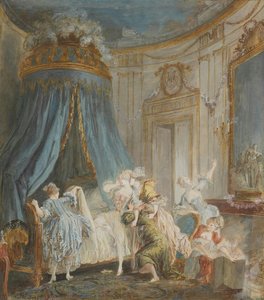
إحضار العروس إلى الفراش
 أكريليك على كانفاس
- لوحات جدارية
- Rococo Classical
 1767
1767 36.0 x 31.0 cm
 المعرض الوطني الكندي
 عرض المزيد
نسخة زيتية مصنوعة يدوياً
لوحة زيتية مرسومة يدوياً على الكانفاس بالمقاس والإطار الذي تفضله، تُنفذ حسب الطلب على أيدي فنانينا. ( اشترِ نسخة مطبوعة اشترِ الصورة)




P118B $10

P118H $10

P118W $10

P438Z $10

P508JH $12

P508YH $12

P805H $10

P805Z $10

P919BZ $10

P919G $10

P919XJ $10

P959ZH $10

P968JZ $12

W106C $8

W218G $10

W218JH $8

W218Y $10

W307PJ $10

W316G $10

W316PJ $8

W316Y $10

W398PJ $8

W4111J $10

W500HY $15

W500JH $15

W692G $12

W849H $8

W940BG $15

W953PJ $8




اختر من بين أحجامنا المُعدّة مسبقًا والتي تتطابق مع النسب الأصلية للعمل الفني.

يمكنك إدخال أبعادك الخاصة لتناسب إطارًا معينًا أو مساحة محددة. وإذا لم يتطابق الحجم الذي اخترته مع نسب الصورة الأصلية، فسنقوم إما بقص العمل الفني أو توسيع اللوحة بإضافة عناصر مرسومة يدويًا. سيتم إرسال نموذج رقمي إليك للموافقة عليه قبل بدء الإنتاج.
يرجى ملاحظة أن المعاينة على الشاشة لا تعكس عملية القص أو التوسيع الفعلية؛ حيث إن النموذج الرقمي وحده هو الذي سيوضح التكوين النهائي بدقة.
وعلى الرغم من توفر أحجام مخصصة، إلا أننا نوصي باختيار أبعاد من القائمة المحددة مسبقًا للحفاظ على النسب الأصلية للعمل الفني.
بعد إتمام الطلب، سيرسل فريق ArtsDot.com بريداً إلكترونياً للعميل لطلب التعليمات وتزويده بمعاينة تجريبية (mockup).
توصيل عالمي إلى خلال 3 إلى 4 أسابيع بدلاً من المدة المعتادة البالغة 5 أسابيع. (13 أغسطس). جودة لا تهاون فيها.

شحن سريع ومجاني لجميع أنحاء العالم

قماش كتان عالي الجودة

تأمين شحن شامل

ضمان استرداد الرسوم الجمركية

ضمان مطابقة الألوان الحقيقية

سياسة الإرجاع خلال 60 يومًا (في حالات العيوب فقط)

ضمان استرداد نقدي بنسبة 100%

خصم عند طلب عدة قطع
 خيار الزجاج متاح فقط للمقاسات التي تقل عن 110 سم

إحضار العروس إلى الفراش
خامة إعادة الإنتاج
مقاس النسخة المطبوعة
-


السعر الإجمالي النهائي
$ 263
وصف العمل الفني
Bringing the Bride to Bed: A Rococo Intimacy Captured by Baudouin
Pierre-Antoine Baudouin’s “Bringing the Bride to Bed,” painted in 1767, is more than just a depiction of domestic life; it's a masterful distillation of Rococo aesthetics and psychological nuance. Executed with gouache over red chalk and subtle graphite traces on laid paper, this artwork transports viewers into a private moment brimming with anticipation and tenderness—a scene meticulously observed and rendered by one of the era’s foremost artists. The painting centers around a woman lying serenely in bed, surrounded by her female companions – a tableau typical of Rococo interiors where idealized beauty and sensual pleasure were paramount concerns. Baudouin skillfully employs chiaroscuro lighting to sculpt the figures, emphasizing the contours of their bodies and creating an atmosphere of warmth and intimacy. The careful positioning of chairs and couches reinforces this sense of comfort and communal support, reflecting the social conventions of the time when women’s friendships held considerable importance. Beyond its visual splendor, “Bringing the Bride to Bed” speaks volumes about the cultural anxieties surrounding pregnancy and marriage during the Enlightenment. Baudouin's meticulous attention to detail—the delicate folds of fabric, the subtle expressions on the faces of the figures—suggests a preoccupation with capturing not merely appearances but also inner emotions. The artist’s use of red chalk lends a tonal richness that enhances the painting’s luminosity and contributes to its overall sense of serenity. The artwork's stylistic influences are clearly discernible in the broader context of Gavin Hamilton’s artistic endeavors, who championed classical ideals while simultaneously exploring the burgeoning fascination with Roman antiquities. Baudouin’s work embodies this duality—a celebration of beauty rooted in observation and informed by scholarly understanding. It exemplifies the Rococo movement's commitment to portraying idealized scenes of human relationships within opulent domestic settings.- Artist: Pierre-Antoine Baudouin (1723–1769)
- Date: 1767
- Medium: Gouache over Red Chalk and Graphite on Laid Paper
- Style: Rococo
- Location: National Gallery of Canada
Technique and Detail: Baudouin's Mastery of Light and Texture
Baudouin’s technique demonstrates a profound understanding of tonal gradation and sculptural modeling. The artist skillfully utilizes red chalk to establish the foundational contours of the figures, followed by delicate graphite shading to create subtle variations in tone—a hallmark of Rococo painting. Gouache, applied over the chalk drawing, lends vibrancy and luminosity to the scene, capturing the soft glow of candlelight and enhancing the overall impression of warmth. The artist’s meticulous attention to surface texture contributes significantly to the artwork's visual impact, conveying a sense of realism that belies its idealized subject matter.Symbolism and Context: Reflections of Enlightenment Ideals
“Bringing the Bride to Bed” operates within the intellectual currents of the Enlightenment, reflecting anxieties surrounding marriage, fertility, and social status. The depiction of women supporting each other underscores the importance of female companionship during this period—a theme frequently explored in Rococo art. Baudouin’s portrayal aligns with Hamilton's broader fascination with classical antiquity, mirroring the movement’s desire to recapture idealized notions of beauty and harmony derived from Greco-Roman culture.Emotional Impact: A Moment of Quiet Intimacy
Ultimately, Baudouin succeeds in conveying a palpable sense of serenity and tenderness—a testament to his artistic skill and psychological insight. The painting captures the essence of a private moment imbued with anticipation and affection, inviting viewers to contemplate themes of friendship, femininity, and domestic tranquility. It remains a captivating example of Rococo art’s ability to evoke emotion through meticulous observation and masterful execution.أعمال فنية ذات صلة


![Three Studies Of A Woman's Head And A Study Of Hands [recto], — جان أنطوان واتو, Rococo Style](/media/artworks/images/thumbnails/de/cd/decd4d141ba2488f8ef518c83414b9f9.jpg)

السيرة الذاتية للفنان
The Master of Miniature Pleasures
In the shimmering, decadent atmosphere of mid-18th century Paris, few artists captured the ephemeral essence of Rococo intimacy quite like Pierre-Antoine Baudouin. Born in 1723 to an engraver, Baudouin emerged not merely as a painter, but as a chronicler of the era's most private and whispered moments. His life was deeply entwined with the very fabric of French high society and its artistic elite; through his marriage to Marie-Elisabeth, the daughter of the legendary François Boucher, he became more than just a pupil of the Rococo master—he became an extension of Boucher’s own aesthetic legacy. This connection granted him access to the most refined circles of the French court, where the boundaries between art and life were often blurred by grace, wit, and a touch of scandal.
Baudouin’s artistic development was characterized by a remarkable mastery of delicate mediums. While many of his contemporaries sought the permanence of oil on canvas, Baudouin found his true voice in the ephemeral textures of watercolors, gouache, and crayons. His technique allowed for a luminous, almost translucent quality that perfectly suited his subject matter: idyllic landscapes, soft boudoir scenes, and the playful, often erotic, encounters of the aristocracy. There is a certain breathlessness to his work, a sense that one is catching a fleeting glimpse through a silk curtain. His ability to render the softness of skin, the sheen of satin, and the gentle light of a Parisian afternoon made him a favorite among collectors who sought art that felt as much like a secret as a possession.
A Controversial Legacy of Light and Shadow
Despite his technical brilliance and his prestigious election to the Académie Royale in 1763, Baudouin’s reputation was never without its shadows. He occupied a complex position in the cultural landscape of the 1760s, caught between the frivolous elegance of the Rococo and the rising tide of moralistic scrutiny. The famous critic Denis Diderot, known for his biting assessments of the Salons, famously cast Baudouin in a harsh light. While acknowledging his talent, Diderot condemned him as a "painter-preacher of bad morals," contrasting him unfavorably with Jean-Baptiste Greuze, whom he viewed as a moralizing force. To Diderot, Baudouin’s work—with its focus on rakes and houses of ill repute—represented the decadent decay of a society losing its ethical compass.
This tension between aesthetic pleasure and moral judgment defines much of Baudouin's historical significance. His oeuvre serves as a vital, if controversial, window into the libertine culture of pre-revolutionary France. Whether he was painting a historical subject like his reception piece, Hyperides pleading the cause of Phryne before the Areopagus, or a more intimate miniature, there was always an underlying pulse of worldly sophistication. His life ended prematurely in 1769, amidst rumors that linked his early death to the very lifestyle of pleasure he so exquisitely depicted. Today, Baudouin is remembered not just as a follower of Boucher, but as a singular artist who dared to elevate the miniature and the erotic to a level of profound, delicate artistry, leaving behind a legacy that remains as captivating as it is provocative.

pierre-antoine baudouin
1723 - 1769 , France
حقائق سريعة
- Artistic Movement Or Style: Neoclassical history painter
- Artists Or Movements Influenced By This Artist:
- Jacques-Louis David
- Thomas Blackwell
- Artists Who Influenced This Artist:
- Agostino Masucci
- Sir Joshua Reynolds
- Date Of Birth: 1723
- Date Of Death: 1798
- Full Name: Gavin Hamilton
- Nationality: Scottish
- Notable Artworks:
- Death of Lucretia
- Homer's Iliad cycle
- Place Of Birth: Lanarkshire, Scotland
مقالات ذات صلة

أروع 25 لوحة لرينوار: رحلة في عالم الضوء والجمال | ArtsDot
اكتشف روعة أعمال رينوار! استكشف 25 لوحة انطباعية خالدة، ورحلة الفنان في عالم الضوء والجمال. طباعة فنية عالية الجودة لديكور منزلي فاخر على ArtsDot.com.

The Rococo Aesthetic: Opulence, Rebellion & the Pursuit of Pleasure in 18th-Century Art
Explore the opulent world of Rococo art! Discover its origins, key artists like Watteau & Boucher, and lasting influence on design. Expert insights for collectors & enthusiasts.

أفضل 10 روائع تحدد حركة الروكوكو الفني: سحر وجماليات لا تُضاهى | ArtsDot
اكتشف روائع الروكوكو! استكشف 10 لوحات فنية خالدة تحدد هذا الطراز الفني الساحر. تعرف على الفنانين، الأساليب، وجماليات عصر الروكوكو. احصل على نسخ فنية عالية الجودة وديكورات منزلية مستوحاة من روائع تاريخية. استكشف المجموعة الكاملة على ArtsDot.com

The Rococo Style: Aristocratic Leisure & the Pursuit of Delight in 18th-Century Art
Explore the opulent world of Rococo art! Discover Watteau, Boucher & Nattier's masterpieces. Expert insights for collectors seeking museum-quality reproductions and custom portraits at ArtsDot.

Jean-Baptiste Pater: Rococo Charm & Ephemeral Beauty of 18th-Century France
Explore the captivating world of Jean-Baptiste Pater, a master of Rococo painting. Discover his elegant *fête galante* scenes and shimmering portraits – a glimpse into 18th-century French aristocracy. Learn about his legacy & find high-quality reproductions.