


 معاينة الحجم الحقيقي
 مشاركة
 مشاركة
 التفاصيل

 تحميل الملف
 قطع مشابهة
 الأشعة السينية
 عرض شرائح
إناء صغير


 عرض المزيد
نسخة زيتية مصنوعة يدوياً
لوحة زيتية مرسومة يدوياً على الكانفاس بالمقاس والإطار الذي تفضله، تُنفذ حسب الطلب على أيدي فنانينا. ( اشترِ نسخة مطبوعة اشترِ الصورة)




P118B $10

P118H $10

P118W $10

P438Z $10

P508JH $12

P508YH $12

P805H $10

P805Z $10

P919BZ $10

P919G $10

P919XJ $10

P959ZH $10

P968JZ $12

W106C $8

W218G $10

W218JH $8

W218Y $10

W307PJ $10

W316G $10

W316PJ $8

W316Y $10

W398PJ $8

W4111J $10

W500HY $15

W500JH $15

W692G $12

W849H $8

W940BG $15

W953PJ $8




اختر من بين أحجامنا المُعدّة مسبقًا والتي تتطابق مع النسب الأصلية للعمل الفني.

يمكنك إدخال أبعادك الخاصة لتناسب إطارًا معينًا أو مساحة محددة. وإذا لم يتطابق الحجم الذي اخترته مع نسب الصورة الأصلية، فسنقوم إما بقص العمل الفني أو توسيع اللوحة بإضافة عناصر مرسومة يدويًا. سيتم إرسال نموذج رقمي إليك للموافقة عليه قبل بدء الإنتاج.
يرجى ملاحظة أن المعاينة على الشاشة لا تعكس عملية القص أو التوسيع الفعلية؛ حيث إن النموذج الرقمي وحده هو الذي سيوضح التكوين النهائي بدقة.
وعلى الرغم من توفر أحجام مخصصة، إلا أننا نوصي باختيار أبعاد من القائمة المحددة مسبقًا للحفاظ على النسب الأصلية للعمل الفني.
بعد إتمام الطلب، سيرسل فريق ArtsDot.com بريداً إلكترونياً للعميل لطلب التعليمات وتزويده بمعاينة تجريبية (mockup).
توصيل عالمي إلى خلال 3 إلى 4 أسابيع بدلاً من المدة المعتادة البالغة 5 أسابيع. (3 سبتمبر). جودة لا تهاون فيها.

شحن سريع ومجاني لجميع أنحاء العالم

قماش كتان عالي الجودة

تأمين شحن شامل

ضمان استرداد الرسوم الجمركية

ضمان مطابقة الألوان الحقيقية

سياسة الإرجاع خلال 60 يومًا (في حالات العيوب فقط)

ضمان استرداد نقدي بنسبة 100%

خصم عند طلب عدة قطع
 خيار الزجاج متاح فقط للمقاسات التي تقل عن 110 سم

إناء صغير
خامة إعادة الإنتاج
مقاس النسخة المطبوعة
-


السعر الإجمالي النهائي
$ 263
الزخرفة الصينية الخالدة: تحليل لوحة الزهر البامبو والزهر البرتقالي
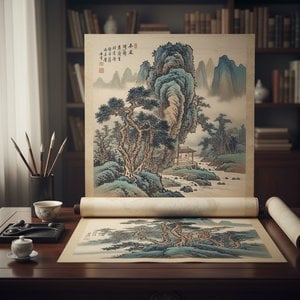
تعتبر هذه اللوحة الصغيرة، التي تجسد شكلًا للفاكهة، وتحديدًا البامبو أو الزهر البرتقالي، تحفة فنية تعكس أسلوبًا دقيقًا في الزخرفة الصينية التقليدية، وتُعدّ من بين الأعمال الرائدة في فن الزجاج الصيني الذي ازدهر خلال العصر القوني (1644-1912). لم يكن هذا الفاخر بالمعنى الحرفي للكلمة، بل كان رمزًا للتراث الثقافي والجمالي الذي لا يزال يلهم الفنانين حتى يومنا هذا. تم تصوير الزهرة البامبو والزهر البرتقالي بتفصيل دقيق، مع استخدام تقنية الزخرفة بالطباعة الزرقاء التي تعود إلى العصور القديمة، وتُعتبر من بين أكثر التقنيات تعبيرًا عن الجمال في الفنون الصينية.- المادة: الزجاج الصيني الأبيض النقي، الذي يُعرف باسم "الزجاج الناعم"، وهو مادة أكثر تكلفة بكثير من الزجاج الصلب الشائع الاستخدام في صناعة الزخرفة الصينية التقليدية، ويُستخدم بشكل أساسي لتزيين الأثاث والأعمال الفنية الراقية التي تُعرض على مكتبات العلماء والشخصيات البارزة.
- القياس: غير معروف، ولكن يُقدر بأنه يتناسب مع الأبعاد القياسية للأعمال الفنية الصينية الكلاسيكية، مما يضفي عليه هيبةً وأناقةً خاصةً.
- الفترة الزمنية: العصر القوني، وتحديدًا القرن الثامن عشر، حيث استُخدم هذا الزجاج في تزيين البيوتات الأرستقراطية والمباني الحكومية الكبرى، مما يعكس مكانة الصين كقوة إقليمية وعالمية في ذلك الوقت.
أعمال فنية ذات صلة


السيرة الذاتية للفنان
A Legacy of Imperial Art: The Grandeur of the Qing Dynasty
The Qing Dynasty (1644–1912), often referred to as the Great Qing, represents one of the most profound and visually spectacular chapters in the long tapestry of Chinese history. It was an era defined by a complex synthesis of Manchu ambition and the deep-rooted traditions of Han Chinese culture. Emerging from the turbulent collapse of the Ming Dynasty, the Manchus established a new imperial order centered in Beijing, creating a period of unprecedented cultural production that would eventually leave an indelible mark on the global perception of Chinese aesthetics. This was not merely a time of political consolidation but a golden age of artistic innovation, where the boundaries between decorative splendor and fine art often blurred into a single, magnificent expression of imperial power.
The artistic foundations of this era were built upon a meticulous reverence for the past, yet they were simultaneously propelled by a spirit of adaptation. Early Qing painters, many of whom served within the prestigious Imperial Court, drew their strength from the classical techniques perfected during the preceding Ming period. They mastered the delicate balance of brushwork, color palettes, and compositional principles rooted in Daoist philosophy and Confucian ideals of harmony. As the dynasty progressed, the influence of Zen Buddhism introduced a new layer of emotional depth to the canvas, encouraging artists to capture the spontaneous essence of nature through the Xieyi style—a method that prioritized the "spirit" of the subject over mere anatomical or botanical accuracy.
The Mastery of Detail and the Brilliance of Porcelain
One of the most enduring legacies of the Qing era lies in the breathtaking precision of the Gongbi painting style. This meticulous approach to art demanded extraordinary patience and technical skill, as painters employed layered brushstrokes and vibrant pigments to achieve a level of realism that felt almost luminous. Artists such as Tingqua became renowned for these highly detailed works, which often featured delicate flora and fauna rendered with such clarity that they became sought-after treasures in Western collections. This period saw the artist's hand working in perfect concert with nature, capturing every nuance of texture, from the softest petal to the ruggedness of ancient stone.
Beyond the realm of paper and silk, the Qing Dynasty achieved a zenith in the production of ceramics that remains unsurpassed. The imperial porcelain capital of Jingdezhen became a crucible of innovation, producing vessels that were as much sculptural masterpieces as they were functional objects. During the Kangxi reign (1662–1722), the creation of magnificent blue and gold wares showcased a sophisticated palette that evoked both tranquility and luxury. The introduction of "soft paste" techniques around 1700 AD allowed for even more daring and intricate designs, embodying the era's characteristic blend of technical experimentation and refined elegance.
Cultural Synthesis and Historical Significance
The significance of Qing Dynasty art extends far beyond its aesthetic beauty; it serves as a vital historical record of a changing world. The era witnessed a fascinating dialogue between traditional Chinese values and burgeoning Western influences, particularly through the flourishing of export paintings that catered to a global market. This period of intense cultural production reflected the empire's vast territorial reach—stretching from the Sea of Japan to the Pamir Mountains—and its ability to absorb diverse influences into a cohesive imperial identity.
As the dynasty approached its twilight in the early 20th century, the art continued to evolve, reflecting the social shifts and the eventual transition toward the Republic of China. The works produced during this time remain essential for understanding the evolution of East Asian aesthetics. Whether through the monumental landscapes that spoke of eternal order or the delicate porcelain that whispered of imperial grace, the art of the Great Qing remains a testament to a civilization at its most visually opulent and culturally complex.

qing dynasty
1644 - 1911 , China
حقائق سريعة
- Artistic Movement Or Style: Gongbi & Xieyi Painting
- Artists Or Movements Influenced By This Artist: ['Kunqu Opera']
- Artists Who Influenced This Artist: ['']
- Date Of Death: 1911
- Full Name: qing dynasty
- Nationality: Chinese
- Notable Artworks: ['Pheasants and blue magpie']
- Place Of Birth: China
مقالات ذات صلة

Soft Hues & Masterpieces: 10 Artworks That Define Delicate Color |
Explore 10 iconic artworks celebrated for their soft color intensity! From Monet's Impressionism to Renoir & Sargent, discover the stories behind these masterpieces. Find museum-quality art reproductions and curated decor ideas at .

Xie Zhiliu: A Legacy of Ink Wash Painting & Modern Chinese Literati Tradition
Explore the legacy of Xie Zhiliu, a master of Chinese ink wash painting & prominent figure in modern art. Discover his techniques, influences, and contributions to literati tradition. A guide for discerning collectors.
Pu Xinyu's 'Puru': A Legacy of Literati Painting & Emotional Resonance
Explore the captivating world of Pu Xinyu (Puru), the last great literati painter. Discover his imperial heritage, masterful ink wash techniques & enduring legacy – a valuable addition to any discerning art collection.

Timeless Elegance: Discovering the Soulful Beauty of Chinese Calligraphy for Sophisticated Home Interiors
Elevate your home with the serene beauty of Chinese calligraphy art. Explore our collection of hand-painted ink wash reproductions and bespoke commissions at ArtsDot.com. Discover museum-quality pieces designed to bring cultural elegance and tranquility to your modern interior.

Soft Minimalism: A Newlywed's Guide to Creating a Serene, Art-Filled Sanctuary with Quiet Luxury
Discover how to master soft minimalism to create a serene, cozy home. Our expert guide for newlyweds explores quiet luxury, organic textures, and curated art selections to transform your new space into a peaceful sanctuary of intentional design.


