

 معاينة الحجم الحقيقي
 مشاركة
 مشاركة
 التفاصيل

 تحميل الملف
 قطع مشابهة
 الأشعة السينية
 عرض شرائح
لودفيغ فان بيتهوفن


 عرض المزيد
نسخة زيتية مصنوعة يدوياً
لوحة زيتية مرسومة يدوياً على الكانفاس بالمقاس والإطار الذي تفضله، تُنفذ حسب الطلب على أيدي فنانينا. ( اشترِ نسخة مطبوعة اشترِ الصورة)




P118B $10

P118H $10

P118W $10

P438Z $10

P508JH $12

P508YH $12

P805H $10

P805Z $10

P919BZ $10

P919G $10

P919XJ $10

P959ZH $10

P968JZ $12

W106C $8

W218G $10

W218JH $8

W218Y $10

W307PJ $10

W316G $10

W316PJ $8

W316Y $10

W398PJ $8

W4111J $10

W500HY $15

W500JH $15

W692G $12

W849H $8

W940BG $15

W953PJ $8




اختر من بين أحجامنا المُعدّة مسبقًا والتي تتطابق مع النسب الأصلية للعمل الفني.

يمكنك إدخال أبعادك الخاصة لتناسب إطارًا معينًا أو مساحة محددة. وإذا لم يتطابق الحجم الذي اخترته مع نسب الصورة الأصلية، فسنقوم إما بقص العمل الفني أو توسيع اللوحة بإضافة عناصر مرسومة يدويًا. سيتم إرسال نموذج رقمي إليك للموافقة عليه قبل بدء الإنتاج.
يرجى ملاحظة أن المعاينة على الشاشة لا تعكس عملية القص أو التوسيع الفعلية؛ حيث إن النموذج الرقمي وحده هو الذي سيوضح التكوين النهائي بدقة.
وعلى الرغم من توفر أحجام مخصصة، إلا أننا نوصي باختيار أبعاد من القائمة المحددة مسبقًا للحفاظ على النسب الأصلية للعمل الفني.
بعد إتمام الطلب، سيرسل فريق ArtsDot.com بريداً إلكترونياً للعميل لطلب التعليمات وتزويده بمعاينة تجريبية (mockup).
توصيل عالمي إلى خلال 3 إلى 4 أسابيع بدلاً من المدة المعتادة البالغة 5 أسابيع. (14 أغسطس). جودة لا تهاون فيها.

شحن سريع ومجاني لجميع أنحاء العالم

قماش كتان عالي الجودة

تأمين شحن شامل

ضمان استرداد الرسوم الجمركية

ضمان مطابقة الألوان الحقيقية

سياسة الإرجاع خلال 60 يومًا (في حالات العيوب فقط)

ضمان استرداد نقدي بنسبة 100%

خصم عند طلب عدة قطع
 خيار الزجاج متاح فقط للمقاسات التي تقل عن 110 سم

لودفيغ فان بيتهوفن
خامة إعادة الإنتاج
مقاس النسخة المطبوعة
-


السعر الإجمالي النهائي
$ 263
وصف العمل الفني
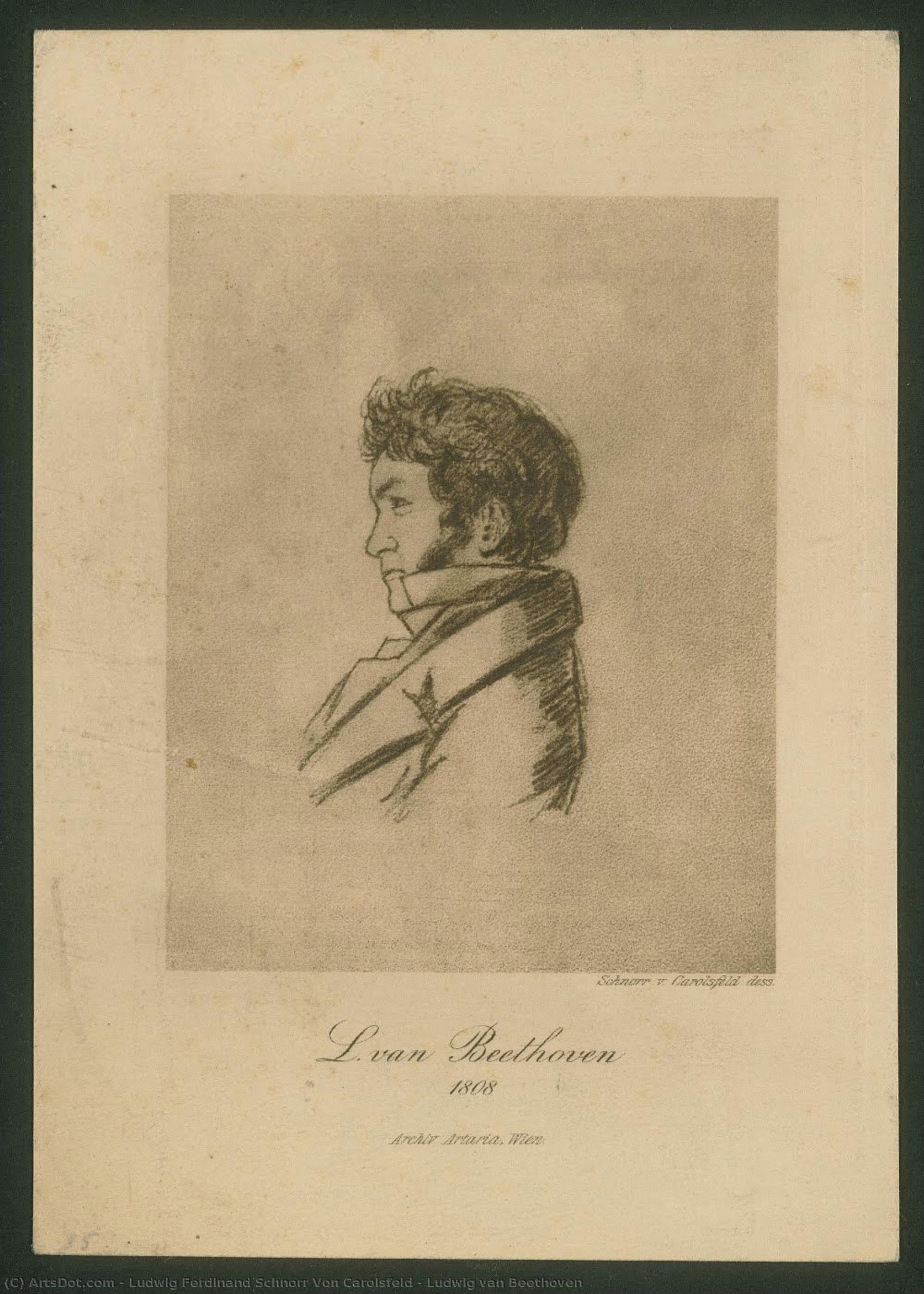
لودفيج فان بيتهوفن: لمحات من حياة الموسيقار وتأثير الفنان سشنور فون كارولفلد
تعتبر لوحة لودفيج فان بيتهوفن، التي رسمها الفنان لودفيج فريدريك سشنور فون كارولفلد عام 1875، تحفة فنية تجسد روح العصر الكلاسيكي وتُعد من أبرز الأعمال الفنية التي تعكس إرث بيتهوفن الموسيقي والجمالي. هذه اللوحة ليست مجرد صورة للموسيقي الشهير، بل هي استكشاف للتاريخ الفني والتأثير الذي أحدثه سشنور فون كارولفلد على جيله.
تفاصيل الرسم وتكوينه التقني
الرسم، الذي يبلغ حجمه 19 × 13 سم، يقدم لنا صورة بيتهوفن في وضعية جانبية، مع التركيز على تفاصيل الوجه والتعبير العاطفي الذي يحمله. استخدم الفنان تقنية الرسم الهيليوغرافية، وهي طريقة طباعية دقيقة تتيح تحقيق مستوى عالٍ من التفصيل والواقعية، مما يضفي على اللوحة طابعًا كلاسيكيًا وأنيقًا.
السياق التاريخي والتأثير الفني
ظهر سشنور فون كارولفلد في فترة الازدهار الفني الذي شهدته ألمانيا في القرن التاسع عشر، وتحديدًا بعد حركة الرومانسية، حيث استلهم الفنان من أسلوب البايثي القوطري والأسلوب الإنجليزي لتكوين لوحاته التي تعكس جمال الطبيعة والتعبير عن المشاعر الإنسانية العميقة. كانت هذه الفترة حافلة بالإبداع الفني وتأثير المدارس الفنية المختلفة، مما انعكس على أسلوب سشنور فون كارولفلد وتجلى في هذا العمل الذي يمثل قمة إتقانه الفني.
رمزية اللوحة وعلامات العصر
تُظهر اللوحة بيتهوفن بملامح وجه صارمة، تعكس عزيمته وإرثه الموسيقي الذي ترك بصماته على تاريخ الموسيقى الغربية. يُعتبر هذا العمل بمثابة مرآة لعصر الرومانسية، حيث يجسد القيم الفنية والروحانية التي كانت سائدة في ذلك الوقت، ويُعد دليلًا على التراث الفني الألماني الذي لا يزال يلهم الفنانين والمؤرخين حتى يومنا هذا.
الخلاصة: تحفة فنية خالدة
تعتبر لوحة لودفيج فان بيتهوفن، التي رسمها سشنور فون كارولفلد، من أهم الأعمال الفنية التي تعكس جمال العصر الكلاسيكي وتُعد مثالًا للإبداع الفني والتعبير عن الروح الإنسانية. إنها تحفة فنية تستحق الدراسة والتقدير، وتُذكرنا بأهمية التراث الفني الذي يثري حياتنا ويُلهم أجيالًا قادمة.
أعمال فنية ذات صلة


السيرة الذاتية للفنان
Thomas Gainsborough: A Master of Light and Landscape
Thomas Gainsborough, a name synonymous with the quintessential English countryside and the subtle grace of portraiture, was born in Sudbury, Suffolk, on May 14th, 1727. His early life, steeped in the traditions of a cloth-merchant family, seemed destined for a predictable path – an apprenticeship in silversmithing. However, a youthful fascination with drawing and a fortuitous encounter with Hubert Gravelot, a French book illustrator working in London, irrevocably altered his trajectory. This introduction to the world of printmaking ignited a passion that would define his artistic career, leading him away from the confines of the workshop and towards the captivating landscapes and discerning portraits that would secure his enduring legacy. Gainsborough’s journey wasn't one of immediate success; it was a gradual cultivation of skill and vision, marked by periods of struggle and relentless dedication to his craft.Early Years and Artistic Training
Gainsborough’s initial training as a silversmith provided him with valuable technical skills – an understanding of line, form, and the manipulation of metal. Yet, it was Gravelot who truly nurtured his artistic sensibilities. The older artist recognized Gainsborough's innate talent and took him on as an apprentice, exposing him to the intricacies of engraving and printmaking. This period proved crucial in developing Gainsborough’s observational skills and fostering a deep appreciation for detail. Crucially, Gravelot encouraged Gainsborough to study nature directly – a practice that would become central to his artistic philosophy. Following his apprenticeship, Gainsborough established his own studio in London, initially focusing on producing decorative prints and engravings. These early works demonstrated a burgeoning talent for capturing the nuances of light and shadow, hinting at the landscapes he would later master. It was during this time that he began experimenting with oil painting, laying the groundwork for his future success as a portraitist.The Rise to Prominence: Portraiture and Landscape
By the 1760s, Gainsborough’s reputation as a portrait painter began to flourish. He possessed an uncanny ability to capture not just physical likenesses but also the character and personality of his subjects. His portraits were characterized by a remarkable naturalism – a willingness to depict sitters in contemporary dress and with relaxed poses, eschewing the stiff formality prevalent in many aristocratic commissions. He cultivated a network of wealthy patrons, including members of the royal family, who sought his services for capturing their likenesses. Simultaneously, Gainsborough never abandoned his passion for landscape painting. He viewed these scenes not merely as decorative backgrounds but as integral to his artistic vision. His landscapes were imbued with a sense of atmosphere and light—a masterful use of color and brushwork that captured the fleeting beauty of the English countryside. This dual focus – portraiture and landscape – became a defining characteristic of his oeuvre, allowing him to explore both the human subject and the natural world with equal depth and sensitivity.Technique and Influences
Gainsborough’s artistic style evolved significantly throughout his career. His early works were influenced by Gravelot's meticulous attention to detail and the Rococo aesthetic, characterized by delicate brushwork and pastel colors. However, as he matured, his technique became looser and more expressive, embracing a brighter palette and a greater emphasis on capturing the essence of his subjects. He developed a distinctive ‘broken’ brushstroke—a technique that created a sense of shimmering light and atmospheric depth. His use of color was particularly remarkable; he employed subtle gradations to create a luminous effect, as if bathed in sunlight. Gainsborough's work also reflects the influence of Dutch Masters like Rembrandt and Constable, whose mastery of light and shadow he deeply admired. He studied their techniques meticulously, incorporating them into his own practice. Furthermore, he drew inspiration from the picturesque tradition—a movement that emphasized the beauty of unspoiled nature and the romanticization of rural life.Legacy and Historical Significance
Thomas Gainsborough died in London on August 2nd, 1788, leaving behind a remarkable body of work that continues to captivate audiences today. He is considered one of the most important British artists of the late 18th century, alongside Sir Joshua Reynolds. While Reynolds championed classical ideals and formal techniques, Gainsborough embraced a more naturalistic approach, prioritizing observation and capturing the spirit of his subjects and landscapes. His portraits are celebrated for their psychological depth and emotional resonance, while his landscapes evoke a profound sense of tranquility and beauty. Gainsborough’s influence on subsequent generations of British artists is undeniable. He helped to establish a distinctly English style of painting—one that was rooted in observation, sensitivity, and a deep appreciation for the natural world. His work remains an enduring testament to the power of art to capture the essence of human experience and the sublime beauty of the English countryside. Notably, recent scholarship has uncovered uncomfortable connections between Gainsborough’s success and the institution of slavery, highlighting the complex ethical considerations inherent in examining the lives and legacies of historical figures.
ludwig ferdinand schnorr von carolsfeld
1788 - 1853 , Germany
حقائق سريعة
- Artistic Movement Or Style: Picturesque, Landscape
- Artists Or Movements Influenced By This Artist:
- Rococo
- British School
- Artists Who Influenced This Artist: ['Hubert Gravelot']
- Date Of Birth: May 14, 1727
- Date Of Death: August 2, 1788
- Full Name: Thomas Gainsborough
- Nationality: British
- Notable Artworks:
- Musidora
- The Baillie Family
- Lady Rufford
- Place Of Birth: Sudbury, Suffolk
مقالات ذات صلة

Romantic Realism's Finest: 10 Masterpieces for Your Home | ArtsDot
Explore 10 defining masterpieces of Romantic Realism! Discover Courbet, Millet & Daumier's powerful paintings—capturing emotion and social realities. Find museum-quality reproductions for your home at ArtsDot.com.

Neo-Classicism's Greatest Hits: 10 Masterpieces for Your Home |
Journey through Neo-Classicism's finest! Explore 10 iconic masterpieces by David, Ingres & Canova. Discover art history, techniques & timeless beauty – perfect for inspiring your home decor. Find museum-quality reproductions at
The Enduring Legacy of Classicism: Principles, Evolution & Influence in Western Art
Explore the enduring legacy of Classicism in Western art! Discover its historical context, key principles, iconic masterpieces & lasting influence. Learn about Renaissance and Neoclassical movements with ArtsDot.

Timeless Resonance: Exploring Classic Vibe in Art – A Historical & Aesthetic Analysis
Explore the rich history & enduring aesthetic of Classicism art! Discover key movements, iconic artists like Raphael & David, and its lasting influence on Western art. Deepen your appreciation today.

Eugen von Blaas: Capturing Alpine Life & Sentiment in 19th-Century Austrian Painting
Discover the captivating world of Eugen von Blaas! Explore his exquisite 19th-century paintings capturing Venetian life & Alpine beauty. Learn about his Academic Classicism style and find museum-quality reproductions at ArtsDot.


