


 معاينة الحجم الحقيقي
 مشاركة
 مشاركة
 التفاصيل
 الدليل

 تحميل الملف
 قطع مشابهة
 الأشعة السينية
 عرض شرائح
 الإحصائيات
إبرة مُغطاة


 عرض المزيد
نسخة زيتية مصنوعة يدوياً
لوحة زيتية مرسومة يدوياً على الكانفاس بالمقاس والإطار الذي تفضله، تُنفذ حسب الطلب على أيدي فنانينا. ( التحويل إلى المطبوعات الانتقال إلى الصورة الرقمية)




P118B $10

P118H $10

P118W $10

P438Z $10

P508JH $12

P508YH $12

P805H $10

P805Z $10

P919BZ $10

P919G $10

P919XJ $10

P959ZH $10

P968JZ $12

W106C $8

W218G $10

W218JH $8

W218Y $10

W307PJ $10

W316G $10

W316PJ $8

W316Y $10

W398PJ $8

W4111J $10

W500HY $15

W500JH $15

W692G $12

W849H $8

W940BG $15

W953PJ $8




اختر من بين أحجامنا المُعدّة مسبقًا والتي تتطابق مع النسب الأصلية للعمل الفني.

يمكنك إدخال أبعادك الخاصة لتناسب إطارًا معينًا أو مساحة محددة. وإذا لم يتطابق الحجم الذي اخترته مع نسب الصورة الأصلية، فسنقوم إما بقص العمل الفني أو توسيع اللوحة بإضافة عناصر مرسومة يدويًا. سيتم إرسال نموذج رقمي إليك للموافقة عليه قبل بدء الإنتاج.
يرجى ملاحظة أن المعاينة على الشاشة لا تعكس عملية القص أو التوسيع الفعلية؛ حيث إن النموذج الرقمي وحده هو الذي سيوضح التكوين النهائي بدقة.
وعلى الرغم من توفر أحجام مخصصة، إلا أننا نوصي باختيار أبعاد من القائمة المحددة مسبقًا للحفاظ على النسب الأصلية للعمل الفني.
بعد إتمام الطلب، سيرسل فريق ArtsDot.com بريداً إلكترونياً للعميل لطلب التعليمات وتزويده بمعاينة تجريبية (mockup).
توصيل عالمي إلى خلال 3 إلى 4 أسابيع بدلاً من المدة المعتادة البالغة 5 أسابيع. (21 سبتمبر). جودة لا تهاون فيها.

شحن سريع ومجاني لجميع أنحاء العالم

قماش كتان عالي الجودة

تأمين شحن شامل

ضمان استرداد الرسوم الجمركية

ضمان مطابقة الألوان الحقيقية

سياسة الإرجاع خلال 100 يوم (في حالات العيوب فقط)

ضمان استرداد نقدي بنسبة 100%

خصم عند طلب عدة قطع
 خيار الزجاج متاح فقط للمقاسات التي تقل عن 110 سم

إبرة مُغطاة
خامة إعادة الإنتاج
مقاس النسخة المطبوعة
-


السعر الإجمالي النهائي
$ 263
عوير مزين بالذهب: تحفة فنية من عصر الباروك
تعتبر هذه العوير، التي صُنعها الفنان آدم فان فيانان عام ١٦١٤م، أحد أبرز الأعمال الفنية لعصر الباروك الهولندي، وتحديدًا تلك الفترة التي شهدت ازدهارًا ثقافيًا وفنيًا غير مسبوق بعد الثورة الإنجليزية وتوسع التجارة مع العالم الجديد. لم يتم تحديد مكان صنع العوير على وجه الدقة، ولكن يُعرف أنه موجود حاليًا في متحف ريجيكسموس في أمستردام، حيث يمثل جزءًا أساسيًا من المجموعة الأثرية التي تُظهر عظمة الفن الأوروبي في القرن السابع عشر.- المادة: تم تصنيع العوير من الذهب المغطى بالفضة، مما يعكس التوجهات الفنية السائدة في ذلك العصر والتي كانت تتميز بالزخرفة الغنية والتفاصيل الدقيقة، وتُظهر براعة الحرفيين الهولنديين في استخدام تقنيات التصنيع المتقدمة.
- الأسلوب: ينتمي هذا العمل إلى الأسلوب الباروكي الذي يتميز بالتعقيد والتشعب، ويستلهم الإلهام من الفنون المسيحية والرومانسية، ويُظهر تأثيرًا قويًا للعمارة والفنون الزخرفية التي كانت تسيطر على المشهد الفني الأوروبي في تلك الفترة.
- التصميم: يشتهر التصميم الفريد للعوير بتمثيله لرأس طائر، حيث يتكون القاع من رأس طائر مُزين بتفاصيل دقيقة، ويُعتبر هذا التصميم دليلًا على الاهتمام بالرمزية الطبيعية والتعبير عن القوة والجمال في الفن الباروكي.
- التفاصيل التقنية: يتميز العوير بوجود صفيحة علوية صغيرة تُستخدم لصب الزيت أو السوائل، وتُظهر هذه الصفيحة سطحًا مُنعكسًا للضوء، مما يضيف إلى جمال العمل ويبرز مهارة الحرفيين في استخدام تقنيات التصنيع التي تهدف إلى تحقيق أقصى قدر من التأثير البصري.
- السياق التاريخي: يعكس هذا العوير التوجه الفني الذي كان يسود في هولندا خلال عصر الباروك، والذي كان يُعتبر بمثابة ذروة الإبداع والفنون الزخرفية، ويُظهر تأثيرًا كبيرًا على الفنانين والمصممين الذين جاءوا بعد فان فيانان، وتحديدًا في مجال التصميم الداخلي والتزيين الفني.
أعمال فنية ذات صلة


السيرة الذاتية للفنان
The Master of Silver: The Life and Legacy of Adam van Vianen
In the heart of Utrecht, during the luminous dawn of the Dutch Golden Age, a transformative era of artistic brilliance was unfolding. It was within this atmosphere of burgeoning prosperity and cultural expansion that Adam van Vianen (1568–1627) emerged as a defining figure of the Baroque period. While history often casts a spotlight on the grand canvases of painters, Adam’s mastery resided in the intimate, tactile world of precious metals. As a silversmith and medallist, he possessed the rare ability to breathe life into silver, turning cold, hard surfaces into fluid, organic compositions that seemed to pulse with an internal vitality.
Adam's artistic journey was deeply intertwined with his familial roots and the prestigious traditions of the Netherlands. He was shaped by the mentorship of his brother, Paulus van Vianen, a renowned sculptor whose international travels had brought the sophisticated influences of Mannerism and Florentine sculpture back to Dutch soil. This connection provided Adam with more than just technical training; it offered him a window into a broader European aesthetic that blended classical grace with a new, restless energy. While Paulus sought fame on the grander stages of Europe, Adam remained a steadfast pillar of Utrecht’s artistic community, refining his craft and establishing a local legacy that would resonate far beyond the city walls.
The Auricular Style: A Symphony of Metal
The true hallmark of Adam van Vianen’s genius lies in his pioneering role in the development of the auricular style. This was not merely a technique, but a sensory revolution in metalwork. Characterized by intricate embossing, this method allowed the artist to manipulate silver sheets into raised, undulating surfaces that mimicked the organic complexity of nature. The term "auricular"—derived from the Latin for ear—alludes to the way these flowing, fleshy forms often resembled the curves of the human ear or the sinuous movement of liquid.
Through this mastery of texture and depth, Adam achieved a level of sculptural fidelity previously unseen in silversmithing. His works were characterized by:
- Dynamic Fluidity: The ability to create seamless transitions between solid metal and seemingly molten shapes.
- Textural Richness: An extraordinary use of light and shadow, created through deep embossing that captured the eye from every angle.
- Mythological Narrative: The integration of classical themes, where silver became a stage for tales of gods and legends, rendered with a Baroque intensity.
One of his most breathtaking achievements can be seen in pieces such as the Ewer and Basin (1614). In this work, the boundaries between vessel and sculpture dissolve; the metal appears to ripple like water, demonstrating how Adam could use the medium of silver to evoke the ephemeral qualities of the natural world. His ability to replicate the dynamism of classical sculpture within the confines of a functional object remains one of the most significant milestones in the history of decorative arts.
Historical Significance and Enduring Influence
The significance of Adam van Vianen extends far beyond the exquisite objects he left behind. He represents a pivotal moment in art history where the precision of the craftsman met the expressive ambition of the Baroque movement. By bridging the gap between the structured elegance of Mannerism and the dramatic, emotive power of the Baroque, he helped define a new visual language for Northern Europe. His work served as a testament to the technical prowess of the Dutch Golden Age, proving that even the smallest, most intimate objects could carry the weight of profound artistic innovation.
Today, the legacy of Adam van Vianen continues to inspire collectors and historians alike. His ability to transform silver into a medium of movement and emotion remains a benchmark for excellence in silversmithing. As we look upon his surviving masterpieces, we do not merely see historical artifacts; we witness the enduring spirit of an artist who mastered the art of capturing the infinite within the finite, leaving an indelible mark on the history of European decorative art.

adam van vianen
1568 - 1627 , Netherlands
حقائق سريعة
- Artistic Movement Or Style: Auricular Style
- Artists Or Movements Influenced By This Artist: ['Baroque']
- Artists Who Influenced This Artist: ['Paulus van Vianen']
- Date Of Birth: ca. 1568
- Date Of Death: 1627
- Full Name: Adam van Vianen
- Nationality: Dutch
- Notable Artworks:
- Diana & Actaeon bowl
- Covered ewer
- Ewer and basin
- Place Of Birth: Utrecht, Netherlands
مقالات ذات صلة

أعمال ريمبراند فان راين الخالدة: 25 تحفة فنية آسرة لديكور منزلك
اكتشف 25 تحفة فنية لريمبراند فان راين، رائد العصر الذهبي الهولندي. استكشف قصص لوحاته الشهيرة وتقنيات الرسم المذهلة. احصل على إعادة إنتاج عالية الجودة لديكور منزلك الفاخر على ArtsDot.com

Dutch Baroque Masters: 10 Paintings That Shaped an Era | ArtsDot
Journey through the Golden Age with our guide to the Top 10 Dutch Baroque masterpieces! Explore iconic paintings by Rembrandt, Vermeer & Frans Hals. Find museum-quality art reproductions and elevate your home decor at ArtsDot.com.

Golden Age Reflections: Dutch Baroque Painting & Cultural Innovation
Explore the Dutch Golden Age of painting! Discover key artists like Vermeer & ter Borch, their innovative techniques, and the rich cultural context behind these Baroque masterpieces. Learn about collecting & appreciating this iconic art period.

Adriaen van Ostade: A Master of Dutch Genre Painting & Social Commentary
Explore the life & work of Adriaen van Ostade, a leading Dutch Golden Age painter. Discover his realistic genre scenes, social commentary, and lasting influence on art history. Learn more at ArtsDot.
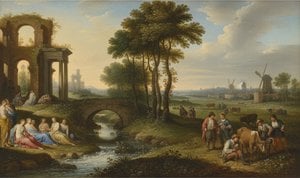
Cornelis van Poelenburch: Bridging Mannerism & the Dutch Baroque Landscape
Discover Cornelis van Poelenburch, a pivotal Dutch Baroque landscape painter bridging Mannerism & Italianate styles. Explore his life, key works, and lasting influence on 17th-century art with ArtsDot.
