
Self-Portrait

- 77.0 x 65.0 cm


تتبع الصورة اختياراتك: , .
وصف القطعة المقتناة
Discover Lambert Lombard's 'Self-Portrait,' a pivotal Northern Renaissance masterpiece bridging Italian and Flemish art. Explore his meticulous technique, contemplative expression, and legacy as an influential artist & educator.
 عرض المزيد
السيرة الذاتية للفنان
Discover Lambert Lombard (1505-1566), a pivotal Flemish Renaissance artist bridging Northern realism with Italianate ideals. Explore his masterful paintings & architectural designs.
اطلب الخاصة بك في أربع خطوات بسيطة
خذ وقتك؛ يمكنك تغيير أي إجابة، حيث يتغير السعر في سلة طلبك بناءً على كل اختيار.
1 الخطوة الأولى من أصل أربع
أي حجم تود اختيار؟
تحافظ هذه المقاسات على أبعاد اللوحة الأصلية. ويُظهر الرسم التوضيحي اختيارك معروضاً على جدار، فوق أريكة بطول مترين.
أو أدخل مقاساتك الخاصة
اختر من بين أحجامنا المُعدّة مسبقاً والتي تتوافق مع النسب الأصلية للعمل الفني.

أدخل العرض والارتفاع اللذين تحتاجهما ليتناسب العمل مع إطارك أو جدارك. وبما أن هذه اللوحة مرسومة يدوياً، ففي حال اختيار مقاس بأبعاد مختلفة، يمكن للفنان رسم مساحة إضافية حول الصورة أو تقليصها قليلاً — الخيار لك. سنرسل لك نموذجاً رقمياً تجريبياً لاعتماده قبل البدء في الرسم. علماً بأن الصورة المعروضة في هذه الصفحة لا تعكس النتيجة النهائية الحقيقية، فالنموذج التجريبي هو الوحيد الذي يوضح ذلك بدقة.
2 الخطوة الثانية من أصل أربع
كيف تفضل استلامه: ملفوفاً، أم مشدوداً على إطار، أم مؤطراً؟
الأسعار أدناه هي للمقاس الذي اخترته في الخطوة الأولى.
اختر حواف اللوحة القماشية المشدودة
اختر إطارك

أبيض E£1

حواف ضبابية E£1

ممتد الحواف E£1

P118B E£10

P118H E£10

P118W E£10

P438Z E£10

P508JH E£12

P508YH E£12

P805H E£10

P805Z E£10

P919BZ E£10

P919G E£10

P919XJ E£10

P959ZH E£10

P968JZ E£12

W106C E£8

W218G E£10

W218JH E£8

W218Y E£10

W307PJ E£10

W316G E£10

W316PJ E£8

W316Y E£10

W398PJ E£8

W4111J E£10

W500HY E£15

W500JH E£15

W692G E£12

W849H E£8

W940BG E£15

W953PJ E£8

H24-GOLD E£30

H24-SILVER E£30

H36-GOLD E£45

H36-SILVER E£45
مؤطر
الإطار: . الحجم الإجمالي مع الإطار: .
3 الخطوة الثالثة من أصل أربع
هل تود إجراء أي تغييرات على اللوحة؟
تكون الإجابة "لا" لدى معظم الناس؛ فبما أن كل لوحة تُصنع يدوياً، يمكن لفناننا أيضاً تخصيصها لتناسب ذوقك.
بعد الطلب، سيقوم فريق ArtsDot.com بمراسلة العميل عبر البريد الإلكتروني للحصول على التعليمات وتزويده بمعاينة تجريبية للعمل
4 الخطوة الرابعة من أصل أربع خطوات
بعض خيارات اللمسات النهائية
جميعها اختيارية. الإجابات المختارة مسبقاً لا تترتب عليها أي تكاليف إضافية.
من رسمها؟
توصيل عالمي إلى خلال 3 إلى 4 أسابيع بدلاً من المدة المعتادة البالغة 5 أسابيع. (19 نوفمبر). جودة لا تهاون فيها.
لوحة تعريفية، تماماً كما في المتاحف؟
تفاصيل اللوحة البرونزية المحفورة
This elegant plaque features the artist's name and the title of the artwork, finely engraved for a timeless presentation.
It is made from bronze with a refined, elegant finish. The text is precisely laser-engraved for a sharp and permanent result. Measuring 9x2 cm, the plaque is compact yet easy to read. It's built to be durable and scratch-resistant, offering a professional, museum-quality look. Mounting is simple thanks to the included adhesive backing.
تفاصيل اللوحة الأكريليكية الشفافة
The plaque includes essential engraved details such as the artist's name, the title of the artwork, the date it was created, the type of media used-like oil on canvas or watercolor-a brief description of the piece, and a QR code that links to the complete artwork information.
It is crafted from clear acrylic, offering a sleek, modern appearance. The text is UV-engraved in black to ensure strong visual contrast. With a size of 10x15 cm, it ensures optimal readability. It comes equipped with two metal hooks for secure wall mounting. The plaque is designed to be weather-resistant, making it suitable for various environments, and it includes interactive features that work seamlessly with smartphone scanning.
تفاصيل اللوحة الأكريليكية السوداء
This elegant plaque includes engraved information such as the artist's name, the title of the artwork, the date it was created, the type of media used (like oil on canvas or watercolor), a short description of the artwork, and a QR code for quick access to more information.
The plaque itself is made from refined black acrylic with a premium finish. The text is laser-engraved in white for high contrast and readability. Its size is 10x15 cm, designed to be easy to read. It comes with two metal hooks for professional mounting. The design is sleek and fits any interior style. It is also weather-resistant and durable, with built-in digital integration for mobile compatibility.
ورنيش واقٍ؟
متى تحتاجها؟
✓ المراجعة والطلب
لوحتك، تماماً كما طلبتها

Self-Portrait
خامة النسخة المطبوعة
مقاس النسخة المطبوعة
-

نخبة كبار الفنانين
مزيد من التفاصيل، والبراعة، ووقت إضافي للإنتاج
-

إطار النسخة المطبوعة
-
-
بالنسبة للأعمال الفنية أو النسخ المطبوعة التي يتجاوز طول أي من أضلاعها 105 سم (حوالي 41 بوصة)، سيتم شحن الإطار كمجموعة مفككة؛ حيث تضمن هذه الطريقة سلامة التوصيل وتمنع حدوث أي أضرار أثناء النقل.
يتطلب الأمر تجميعاً احترافياً - هذا المنتج ليس مخصصاً للتركيب الذاتي.
يجب تجميع المجموعة وشد القماش بواسطة فني إطارات محترف وخبير، باستخدام غراء الخشب (غير مرفق)، وكماشة شد القماش، وملاقط لتثبيت القضبان بشكل مستوٍ أثناء جفاف الغراء. إن التجميع غير الصحيح أو عدم توازن شد القماش قد يؤدي إلى تلف العمل الفني بشكل دائم، وهو أمر لا يغطيه الضمان الخاص بنا.
 بالنسبة للأعمال الفنية أو النسخ المطبوعة التي يتجاوز طول أي من أضلاعها 105 سم (حوالي 41 بوصة)، سيتم شحن الإطار كمجموعة مفككة؛ حيث تضمن هذه الطريقة سلامة التوصيل وتمنع حدوث أي أضرار أثناء النقل.
تتضمن المجموعة جميع القطع الخشبية الصلبة، والمقطعة بدقة لتناسب المقاسات المطلوبة.
يتم التجميع باستخدام البراغي المرفقة، بالإضافة إلى غراء الخشب للوصلات الزاوية، وهو غير مرفق ويجب توفيره من قبل فني التأطير الخاص بك.
تتطلب العملية استخدام أدوات احترافية غير مدرجة في المجموعة: مثل زرادية شد القماش (أداة شد) وملاقط لتثبيت القضبان بشكل مستوٍ أثناء جفاف الغراء.
تنبيه هام:
تتطلب الوصلات الزاوية استخدام غراء الخشب، كما يجب تثبيت القضبان باستخدام المشابك حتى يجف الغراء تماماً، ويتطلب شد القماش على الإطار المجمع استخدام كماشة شد القماش. لا تشتمل المجموعة على أي من هذه الأدوات؛ لذا يرجى التواصل مع فني تأطير محترف قبل طلب هذا المقاس.

بطاقة التعريف
-
-

ورنيش واقٍ
ورنيش لامع (يُبرز الألوان ويحمي من الضوء والرطوبة)
-

تخصيص عملي الفني
أمثلة على التعديلات المتاحة: استبدال الوجه بصورة العميل؛ إضافة حيوان أليف (مثل استبدال قطة بكلب)؛ إدراج رسالة مخفية في الخلفية؛ تغيير المناظر الطبيعية أو العناصر في الخلفية.
-

شحن سريع
توصيل عالمي إلى خلال 3-4 أسابيع بدلاً من المدة المعتادة البالغة 5 أسابيع. (19 نوفمبر). جودة لا تضاهى.
-
شحن سريع
توصيل عالمي إلى خلال 5 أسابيع. (26 نوفمبر).
مُضمَّن
إجمالي السعر النهائي
E£ 14303
خيار الزجاج متاح فقط للمقاسات التي تقل عن 110 سم
مرفق مع كل طلب
- شحن سريع ومجاني لجميع أنحاء العالم
- قماش كتان عالي الجودة
- تأمين شامل على الشحن
- ضمان استرداد الرسوم الجمركية
- ضمان مطابقة الألوان الحقيقية
- سياسة الإرجاع خلال 100 يوم (في حالات العيوب فقط)
- ضمان استرداد نقدي بنسبة 100%
- خصم عند طلب كميات


A Bridge Between Worlds: Introducing Lambert Lombard and His Self-Portrait
Lambert Lombard's "Self-Portrait," a remarkably intimate work completed around 1560, stands as a pivotal testament to the burgeoning artistic landscape of the Northern Renaissance. More than simply a likeness, this painting embodies Lombard’s unique position – a crucial intermediary between the fervent innovations of Italy and the established traditions of the Low Countries. Born in Liège in 1505, Lombard wasn't merely an artist; he was a deliberate seeker, driven by an intellectual curiosity that propelled him to master both Italianate ideals and the distinctive realism of his native Flanders. His apprenticeship under Jan Gossaert instilled within him a meticulous approach, a dedication to detail, and a profound understanding of capturing human form with remarkable accuracy – qualities vividly displayed in this compelling self-representation.
The painting immediately draws the eye to its subject: a man of considerable presence, dressed in the formal attire characteristic of the upper classes. The dark coat, accented by a crisp white collar, speaks volumes about his social standing and reflects the prevailing fashion of the period. Lombard’s beard and mustache, hallmarks of Northern Renaissance portraiture, contribute to an air of dignified contemplation. However, it is not merely outward appearance that commands attention; the artist has skillfully employed light and shadow to sculpt the face, revealing a subtle complexity beneath the surface. The gaze, directed slightly off-center, suggests introspection – a moment of quiet reflection, inviting the viewer into his inner world.
Technique and Composition: A Masterclass in Northern Renaissance Realism
Lombard’s technique is a testament to his training and experience. The painting showcases a remarkable level of detail, particularly evident in the rendering of the hair and facial features. Each strand appears meticulously placed, each wrinkle subtly defined. This dedication to realism is balanced by an understanding of atmospheric perspective – the background fades gently into a muted light, creating depth and drawing attention to the central figure. Note the careful use of chiaroscuro, the dramatic interplay of light and shadow, which not only enhances the three-dimensionality of the portrait but also contributes to its emotional impact.
The composition is remarkably balanced, with the subject positioned centrally within a restrained frame. The plain background – a wash of pale color – serves as an effective foil for the darker tones of the clothing and the subtle shadows on the face. This deliberate simplicity directs all attention towards Lombard himself, reinforcing his importance as both the artist and the subject. The small object held in his right hand—likely a coin or piece of jewelry—adds another layer of intrigue, prompting speculation about its significance and perhaps hinting at the man’s personal life.
Symbolism and Historical Context: A Reflection of Renaissance Thought
Lombard's self-portrait is more than just a portrait; it’s a statement. During the Renaissance, artists increasingly sought to elevate their status from mere craftsmen to intellectual figures – men of learning and culture. Lombard’s deliberate inclusion in his own work reflects this shift, asserting his artistic identity and demonstrating his mastery of technique. The contemplative expression suggests a man engaged with philosophical ideas, mirroring the humanist values that were gaining prominence during the period.
Further research reveals that Lombard was deeply involved in disseminating Italian Renaissance ideals throughout the Low Countries. As described in the WGA article, he traveled to Rome, bringing back not only artworks but also new artistic principles and a renewed appreciation for the role of the artist as a scholar and innovator. This self-portrait can be seen as a visual embodiment of this transformative journey – a bridge between the classical world of Italy and the evolving artistic traditions of his homeland.
Bringing Lombard’s Vision Home: A High-Quality Reproduction
ArtsDot offers meticulously crafted, hand-painted reproductions of Lambert Lombard's "Self-Portrait," allowing you to experience this remarkable work of art in stunning detail. Our skilled artisans replicate the painting’s nuanced techniques and atmospheric effects with exceptional accuracy, ensuring that your reproduction captures the essence of Lombard’s artistic vision. Whether displayed in a formal setting or cherished as a personal treasure, this reproduction serves as a beautiful reminder of the Renaissance spirit – a testament to human intellect, artistry, and the enduring power of self-reflection.
الأسئلة والأجوبة
أين يمكنني مشاهدة العمل الأصلي "Self-Portrait" للفنان Lambert Lombard؟
تُحفظ النسخة الأصلية من "Self-Portrait" للفنان Lambert Lombard في متحف الإرميتاج, Saint Petersburg, Russia، بينما تتيح لك هذه النسخة المطبوعة عرض العمل الفني في منزلك.
ما هي الغرفة المقترحة لـ "Self-Portrait" للفنان Lambert Lombard؟
يُنصح بوضع "Self-Portrait" للفنان Lambert Lombard في Living Room؛ حيث يستند هذا الاقتراح إلى موضوع العمل وألوانه وأجوائه العامة.
من هو مؤلف "Self-Portrait"، وإلى أي مدرسة فنية ينتمي؟
تجسد لوحة "Self-Portrait" إبداع الفنان Lambert Lombard وانتماءه لمدرسة Northern Renaissance.
المزيد حول هذه اللوحة
 معاينة الحجم الواقعي

 التبديل إلى نسخة مطبوعة
 مشاركة
 مشاركة
 التفاصيل
 دليل


 تحميل الملف
 قطع مشابهة
 الأشعة السينية
 عرض شرائح
 الأسئلة والأجوبة
 الإحصائيات
أعمال فنية ذات صلة


Lambert Lombard
1505 - 1566, Belgium
السيرة الذاتية للفنان
A Bridge Between Worlds: The Life and Art of Lambert Lombard
Lambert Lombard, born in Liège around 1505 and passing in 1566, occupies a fascinating, pivotal position within the landscape of Renaissance art. He wasn’t merely an artist; he was a conduit, skillfully channeling the burgeoning innovations of the Italian High Renaissance into the artistic traditions of the Low Countries. His story is one of deliberate seeking, intellectual curiosity, and a commitment to elevating the status of art through both practice and pedagogy. While details surrounding his early life remain somewhat elusive, we know Lombard received his initial training within Liège itself, laying the groundwork for a career that would see him flourish as both painter and architect. A crucial turning point arrived with his apprenticeship under Jan Gossaert, known also as Mabuse, in Middelburg. This exposure to the evolving styles of Northern Renaissance painting proved formative, instilling in Lombard a meticulous attention to detail and a mastery of oil technique that would characterize much of his work.Rome and the Embrace of Italianate Ideals
Lombard’s artistic trajectory took a dramatic turn in 1537 when Prince-Bishop Erard de la Marck dispatched him to Rome. This wasn't simply an art-buying mission; it was a calculated investment in Lombard’s development, a deliberate attempt to immerse him in the heart of the Italian Renaissance. The impact of this journey proved profound. Surrounded by the masterpieces of Michelangelo and Raphael, Lombard absorbed the classical ideals of form, composition, and anatomical accuracy that defined the era. He returned to Liège not only with artworks for the Prince-Bishop’s collection but also with a renewed artistic vision—a desire to synthesize the Northern realism he had mastered with the grandeur and intellectual rigor of Italian art. This fusion would become the hallmark of his style, setting him apart from many of his contemporaries. The influence is visible in his increasing emphasis on idealized figures and more dynamic compositions, moving away from the earlier Gothic influences prevalent in the region.A Multifaceted Talent: Painting, Architecture, and Academia
Securing the prestigious position of court painter and architect to the Prince-Bishopric of Liège in 1532 provided Lombard with both artistic freedom and significant responsibility. He wasn’t confined solely to the canvas; he actively participated in architectural projects throughout the region, demonstrating a versatility that speaks to his broad intellectual curiosity. Though relatively few paintings survive today—a frustrating reality for art historians—numerous drawings attributed to him offer invaluable insight into his creative process, revealing a restless experimentation with form and composition. Beyond his artistic endeavors, Lombard’s most enduring legacy lies in his establishment of what is considered the first academy of art in the Low Countries. This institution wasn't merely a workshop; it was a center for intellectual exchange, where students were encouraged to study not only technique but also classical literature, history, and philosophy—a holistic approach to artistic education that was remarkably forward-thinking for its time.Legacy and the Shaping of Future Generations
The impact of Lombard’s academy resonated far beyond Liège. Among his most prominent pupils were figures who would themselves become leading artists of their generation. Frans Floris, a master of Mannerism, further developed Lombard's stylistic innovations, pushing the boundaries of composition and figural representation. Hendrick Goltzius, renowned for his masterful engravings and paintings, carried forward Lombard’s emphasis on anatomical accuracy and dramatic expression. And Dominicus Lampsonius, a humanist scholar and art historian, not only absorbed Lombard’s artistic principles but also immortalized him through a detailed biography—a crucial source of information about the artist's life and work. The Life of Lambert Lombard, penned by Lampsonius, remains an invaluable resource for understanding Lombard’s intellectual ambitions and his role in shaping the artistic landscape of the Low Countries. Lombard’s historical significance rests not only on his own artistic achievements but also on his ability to synthesize diverse influences and transmit them to a new generation of artists, solidifying his position as a key figure in the cultural and artistic development of the 16th century. His work stands as a testament to the power of cross-cultural exchange and the enduring legacy of Renaissance ideals.Notable Works
- The Miracle of the Loaves and Fishes: A dynamic Mannerist painting that exemplifies Lombard’s ability to blend Northern realism with Italianate drama, showcasing a biblical scene with rich textures and captivating spiritual intensity.
- Triptychs: Demonstrating his skill in multi-panel compositions, these works reveal Lombard's mastery of narrative storytelling and complex spatial arrangements.
- The Last Supper: Reflecting the influence of Italian Renaissance masters like Leonardo da Vinci, this painting showcases a sophisticated understanding of perspective and composition, creating a sense of depth and realism.
مقالات ذات صلة

Reflecting the Self: A History of Portraiture & Psychological Insight
Explore the fascinating history of self-portraiture from Renaissance masters like Dürer & Rembrandt to modern interpretations. Discover the psychological insights and artistic techniques behind these iconic works. Expert analysis for art enthusiasts.
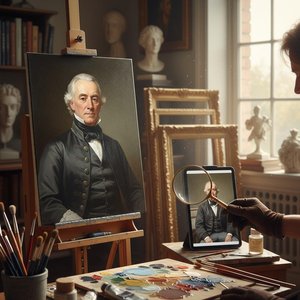
احصل على لوحة زيتية أصلية من صورك مع ArtsDot.com – خطوات سريعة وجودة فنية لا تُضاهى
مع ArtsDot.com، احصل على لوحة زيتية أصلية من صورك مع خبراء فنيين محترفين يضمنون جودة لا تضاهى وشفافية كاملة في كل خطوة. استثمر بثقة واحصل على تحفة فنية تستحق امتلاكها.
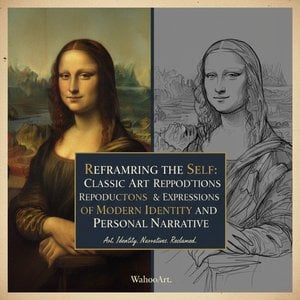
إعادة صياغة الذات: نسخ الأعمال الفنية الكلاسيكية كتعبيرات عن الهوية الحديثة والسرد الشخصي
اكتشف متعة إعادة صياغة الذات من خلال نسخ الأعمال الفنية الكلاسيكية! لوحات زيتية يدوية عالية الجودة، هدايا فريدة، واستشارات فنية مجانية. ArtsDot – خبراء في عالم الفن.