


تتبع الصورة اختياراتك: , .
وصف القطعة المقتناة
 عرض المزيد
السيرة الذاتية للفنان
Explore the landscapes & Orientalist works of Eugène Cicéri, a 19th-century French painter known for his realistic watercolors & lithographs.
اطلب الخاصة بك في أربع خطوات بسيطة
خذ وقتك؛ يمكنك تغيير أي إجابة، حيث يتغير السعر في سلة طلبك بناءً على كل اختيار.
1 الخطوة الأولى من أصل أربع
أي حجم تود اختيار؟
تحافظ هذه المقاسات على أبعاد اللوحة الأصلية. ويُظهر الرسم التوضيحي اختيارك معروضاً على جدار، فوق أريكة بطول مترين.
أو أدخل مقاساتك الخاصة
اختر من بين أحجامنا المُعدّة مسبقاً والتي تتوافق مع النسب الأصلية للعمل الفني.

أدخل العرض والارتفاع اللذين تحتاجهما ليتناسب العمل مع إطارك أو جدارك. وبما أن هذه اللوحة مرسومة يدوياً، ففي حال اختيار مقاس بأبعاد مختلفة، يمكن للفنان رسم مساحة إضافية حول الصورة أو تقليصها قليلاً — الخيار لك. سنرسل لك نموذجاً رقمياً تجريبياً لاعتماده قبل البدء في الرسم. علماً بأن الصورة المعروضة في هذه الصفحة لا تعكس النتيجة النهائية الحقيقية، فالنموذج التجريبي هو الوحيد الذي يوضح ذلك بدقة.
2 الخطوة الثانية من أصل أربع
كيف تفضل استلامه: ملفوفاً، أم مشدوداً على إطار، أم مؤطراً؟
الأسعار أدناه هي للمقاس الذي اخترته في الخطوة الأولى.
اختر حواف اللوحة القماشية المشدودة
اختر إطارك

أبيض E£1

حواف ضبابية E£1

ممتد الحواف E£1

P118B E£10

P118H E£10

P118W E£10

P438Z E£10

P508JH E£12

P508YH E£12

P805H E£10

P805Z E£10

P919BZ E£10

P919G E£10

P919XJ E£10

P959ZH E£10

P968JZ E£12

W106C E£8

W218G E£10

W218JH E£8

W218Y E£10

W307PJ E£10

W316G E£10

W316PJ E£8

W316Y E£10

W398PJ E£8

W4111J E£10

W500HY E£15

W500JH E£15

W692G E£12

W849H E£8

W940BG E£15

W953PJ E£8

H24-GOLD E£30

H24-SILVER E£30

H36-GOLD E£45

H36-SILVER E£45
مؤطر
الإطار: . الحجم الإجمالي مع الإطار: .
3 الخطوة الثالثة من أصل أربع
هل تود إجراء أي تغييرات على اللوحة؟
تكون الإجابة "لا" لدى معظم الناس؛ فبما أن كل لوحة تُصنع يدوياً، يمكن لفناننا أيضاً تخصيصها لتناسب ذوقك.
بعد الطلب، سيقوم فريق ArtsDot.com بمراسلة العميل عبر البريد الإلكتروني للحصول على التعليمات وتزويده بمعاينة تجريبية للعمل
4 الخطوة الرابعة من أصل أربع خطوات
بعض خيارات اللمسات النهائية
جميعها اختيارية. الإجابات المختارة مسبقاً لا تترتب عليها أي تكاليف إضافية.
من رسمها؟
توصيل عالمي إلى خلال 3 إلى 4 أسابيع بدلاً من المدة المعتادة البالغة 5 أسابيع. (21 نوفمبر). جودة لا تهاون فيها.
لوحة تعريفية، تماماً كما في المتاحف؟
تفاصيل اللوحة البرونزية المحفورة
This elegant plaque features the artist's name and the title of the artwork, finely engraved for a timeless presentation.
It is made from bronze with a refined, elegant finish. The text is precisely laser-engraved for a sharp and permanent result. Measuring 9x2 cm, the plaque is compact yet easy to read. It's built to be durable and scratch-resistant, offering a professional, museum-quality look. Mounting is simple thanks to the included adhesive backing.
تفاصيل اللوحة الأكريليكية الشفافة
The plaque includes essential engraved details such as the artist's name, the title of the artwork, the date it was created, the type of media used-like oil on canvas or watercolor-a brief description of the piece, and a QR code that links to the complete artwork information.
It is crafted from clear acrylic, offering a sleek, modern appearance. The text is UV-engraved in black to ensure strong visual contrast. With a size of 10x15 cm, it ensures optimal readability. It comes equipped with two metal hooks for secure wall mounting. The plaque is designed to be weather-resistant, making it suitable for various environments, and it includes interactive features that work seamlessly with smartphone scanning.
تفاصيل اللوحة الأكريليكية السوداء
This elegant plaque includes engraved information such as the artist's name, the title of the artwork, the date it was created, the type of media used (like oil on canvas or watercolor), a short description of the artwork, and a QR code for quick access to more information.
The plaque itself is made from refined black acrylic with a premium finish. The text is laser-engraved in white for high contrast and readability. Its size is 10x15 cm, designed to be easy to read. It comes with two metal hooks for professional mounting. The design is sleek and fits any interior style. It is also weather-resistant and durable, with built-in digital integration for mobile compatibility.
ورنيش واقٍ؟
متى تحتاجها؟
✓ المراجعة والطلب
لوحتك، تماماً كما طلبتها

Landscape
خامة النسخة المطبوعة
مقاس النسخة المطبوعة
-

نخبة كبار الفنانين
مزيد من التفاصيل، والبراعة، ووقت إضافي للإنتاج
-

إطار النسخة المطبوعة
-
-
بالنسبة للأعمال الفنية أو النسخ المطبوعة التي يتجاوز طول أي من أضلاعها 105 سم (حوالي 41 بوصة)، سيتم شحن الإطار كمجموعة مفككة؛ حيث تضمن هذه الطريقة سلامة التوصيل وتمنع حدوث أي أضرار أثناء النقل.
يتطلب الأمر تجميعاً احترافياً - هذا المنتج ليس مخصصاً للتركيب الذاتي.
يجب تجميع المجموعة وشد القماش بواسطة فني إطارات محترف وخبير، باستخدام غراء الخشب (غير مرفق)، وكماشة شد القماش، وملاقط لتثبيت القضبان بشكل مستوٍ أثناء جفاف الغراء. إن التجميع غير الصحيح أو عدم توازن شد القماش قد يؤدي إلى تلف العمل الفني بشكل دائم، وهو أمر لا يغطيه الضمان الخاص بنا.
 بالنسبة للأعمال الفنية أو النسخ المطبوعة التي يتجاوز طول أي من أضلاعها 105 سم (حوالي 41 بوصة)، سيتم شحن الإطار كمجموعة مفككة؛ حيث تضمن هذه الطريقة سلامة التوصيل وتمنع حدوث أي أضرار أثناء النقل.
تتضمن المجموعة جميع القطع الخشبية الصلبة، والمقطعة بدقة لتناسب المقاسات المطلوبة.
يتم التجميع باستخدام البراغي المرفقة، بالإضافة إلى غراء الخشب للوصلات الزاوية، وهو غير مرفق ويجب توفيره من قبل فني التأطير الخاص بك.
تتطلب العملية استخدام أدوات احترافية غير مدرجة في المجموعة: مثل زرادية شد القماش (أداة شد) وملاقط لتثبيت القضبان بشكل مستوٍ أثناء جفاف الغراء.
تنبيه هام:
تتطلب الوصلات الزاوية استخدام غراء الخشب، كما يجب تثبيت القضبان باستخدام المشابك حتى يجف الغراء تماماً، ويتطلب شد القماش على الإطار المجمع استخدام كماشة شد القماش. لا تشتمل المجموعة على أي من هذه الأدوات؛ لذا يرجى التواصل مع فني تأطير محترف قبل طلب هذا المقاس.

بطاقة التعريف
-
-

ورنيش واقٍ
ورنيش لامع (يُبرز الألوان ويحمي من الضوء والرطوبة)
-

تخصيص عملي الفني
أمثلة على التعديلات المتاحة: استبدال الوجه بصورة العميل؛ إضافة حيوان أليف (مثل استبدال قطة بكلب)؛ إدراج رسالة مخفية في الخلفية؛ تغيير المناظر الطبيعية أو العناصر في الخلفية.
-

شحن سريع
توصيل عالمي إلى خلال 3-4 أسابيع بدلاً من المدة المعتادة البالغة 5 أسابيع. (21 نوفمبر). جودة لا تضاهى.
-
شحن سريع
توصيل عالمي إلى خلال 5 أسابيع. (28 نوفمبر).
مُضمَّن
إجمالي السعر النهائي
E£ 14541
خيار الزجاج متاح فقط للمقاسات التي تقل عن 110 سم
مرفق مع كل طلب
- شحن سريع ومجاني لجميع أنحاء العالم
- قماش كتان عالي الجودة
- تأمين شامل على الشحن
- ضمان استرداد الرسوم الجمركية
- ضمان مطابقة الألوان الحقيقية
- سياسة الإرجاع خلال 100 يوم (في حالات العيوب فقط)
- ضمان استرداد نقدي بنسبة 100%
- خصم عند طلب كميات


الأسئلة والأجوبة
بأي أسماء أخرى يُعرف Eugène Cicéri؟
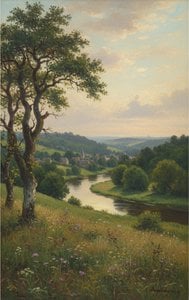
يُعرف Eugène Cicéri، مبدع "Landscape"، أيضاً بأسماء أخرى تشمل Eugenio Ciceri, E. Ciceri, Eug. Ciceri, Eug. Cicery, Cicery.
ما هو اللون السائد في "Landscape" للفنان Eugène Cicéri؟
يبرز اللون Cobalt Violet (#869dc4) كأهم لون في لوحة "Landscape" للفنان Eugène Cicéri.
هل يتوفر عرض شرائح لـ "Landscape" للفنان Eugène Cicéri؟
يمكن مشاهدة العرض المتتابع لـ "Landscape" في صفحة عرض شرائح الخاصة بالعمل الفني.
المزيد حول هذه اللوحة
 معاينة الحجم الواقعي
 التبديل إلى نسخة مطبوعة
 مشاركة
 مشاركة
 التفاصيل
 دليل
دليل

 تحميل الملف
 قطع مشابهة
 الأشعة السينية
 عرض شرائح
 الأسئلة والأجوبة
 الإحصائيات
أعمال فنية ذات صلة


Eugène Cicéri
1813 - 1890, France
السيرة الذاتية للفنان
Eugène Cicéri: A Painter of Soul and Alpine Landscapes
Eugène Cicéri (1813 – 1890) was a French landscape painter who emerged from the Bourron-Marlotte School, a movement dedicated to capturing the essence of rural life and the sublime beauty of the French Alps. Though overshadowed by his contemporaries like Jean-François Millet and Frédéric Bazille, Cicéri’s distinctive style—characterized by meticulous realism combined with expressive tonal harmonies—earned him recognition within the Barbizon School and established him as a significant contributor to European Romanticism.- Early Life & Training: Born in Paris, Cicéri received his initial artistic training from Jean-Baptiste Camille Bouchardy, a respected teacher known for his academic approach to painting. This grounding in classical principles would profoundly influence his later work, shaping his meticulous observation of nature and his commitment to portraying it with accuracy.
- The Bourron School & Alpine Inspiration: Cicéri joined the Bourron School around 1840, immersing himself in a collective effort to depict the landscapes of Auvergne and Provence. The school’s ethos—rooted in plein air painting and an idealized vision of rural life—provided Cicéri with fertile ground for experimentation and artistic growth. However, it was his fascination with the Alpine region that truly captivated him, becoming the dominant subject of his oeuvre.
- Technique & Style: Cicéri’s technique was marked by painstaking detail and a masterful command of watercolor pigments. He employed subtle gradations of tone—a hallmark of Barbizon painting—to convey atmospheric depth and luminosity. Unlike some of his peers who favored looser brushstrokes, Cicéri meticulously rendered textures and contours, striving to capture the palpable presence of the natural world.
- Notable Works & Recognition: Cicéri’s landscapes gained considerable acclaim during his lifetime, particularly those depicting Alpine vistas bathed in golden light. Among his most celebrated paintings are “Wallachians,” a dramatic depiction of Romanian peasants amidst rugged mountains, and “Lithograph of Mosburg in Wiesbaden,” showcasing the grandeur of Wiesbaden Castle against a backdrop of snow-capped peaks. His prints were exhibited at the Salon and garnered critical praise for their artistic merit.
- Legacy & Influence: Cicéri’s work continues to resonate with viewers today, embodying the Romantic ideal of communion with nature and reflecting the profound impact of topographical illustration on 19th-century art. Although he didn't achieve the fame of some other Barbizon artists, his dedication to realism and tonal harmony cemented his place as a pivotal figure in French landscape painting—a painter who truly captured ‘the soul’ of Alpine scenery.
Connections & Collaborations
Cicéri's artistic journey intersected with the influential Isabey family, particularly Jean-Hippolyte Isabey Sr., who championed his work and encouraged him to explore lithography as a medium for disseminating landscape prints. This collaboration resulted in stunning topographical illustrations that documented Alpine expeditions and contributed significantly to the visual culture of the era. Furthermore, Cicéri’s artistic sensibilities aligned with those of Eugène Carrière and Frédéric Bazille—fellow Bourron School members—creating a vibrant intellectual and aesthetic environment conducive to artistic innovation.مقالات ذات صلة
Henri-Joseph Harpignies: Capturing the Poetic Essence of the French Landscape
Explore the serene landscapes of Henri-Joseph Harpignies, a master of the Barbizon School. Discover his atmospheric paintings, recurring themes & enduring legacy in 19th-century French art. Learn more at ArtsDot.

25 Masterpieces by Ernst Ludwig Kirchner: The Soul of German Expressionism
Explore 25 iconic Ernst Ludwig Kirchner masterpieces of German Expressionism. Discover the full collection online at ArtsDot.com.

Masterpieces of the Soil: The Top 25 Artworks by Jean-François Millet
Immerse yourself in the soul of French Realism with our curated guide to the top 25 Jean-François Millet artworks. Explore the profound beauty of Barbizon school masterpieces and find museum-quality art reproductions for your home. Discover all masterpieces on ArtsDot.com.