


 معاينة الحجم الحقيقي
 مشاركة
 مشاركة
 التفاصيل
 الدليل

 تحميل الملف
 قطع مشابهة
 الأشعة السينية
 عرض شرائح
 الإحصائيات
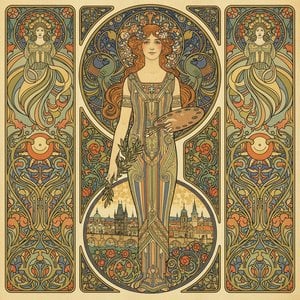
Manhood calendar
 Acrylic On Canvas
- WallArt
- Art Nouveau
 1897
1897 22.0 x 30.0 cm
 عرض المزيد
نسخة زيتية مصنوعة يدوياً
لوحة زيتية مرسومة يدوياً على الكانفاس بالمقاس والإطار الذي تفضله، تُنفذ حسب الطلب على أيدي فنانينا. ( التحويل إلى المطبوعات الانتقال إلى الصورة الرقمية)




P118B $10

P118H $10

P118W $10

P438Z $10

P508JH $12

P508YH $12

P805H $10

P805Z $10

P919BZ $10

P919G $10

P919XJ $10

P959ZH $10

P968JZ $12

W106C $8

W218G $10

W218JH $8

W218Y $10

W307PJ $10

W316G $10

W316PJ $8

W316Y $10

W398PJ $8

W4111J $10

W500HY $15

W500JH $15

W692G $12

W849H $8

W940BG $15

W953PJ $8




اختر من بين أحجامنا المُعدّة مسبقًا والتي تتطابق مع النسب الأصلية للعمل الفني.

يمكنك إدخال أبعادك الخاصة لتناسب إطارًا معينًا أو مساحة محددة. وإذا لم يتطابق الحجم الذي اخترته مع نسب الصورة الأصلية، فسنقوم إما بقص العمل الفني أو توسيع اللوحة بإضافة عناصر مرسومة يدويًا. سيتم إرسال نموذج رقمي إليك للموافقة عليه قبل بدء الإنتاج.
يرجى ملاحظة أن المعاينة على الشاشة لا تعكس عملية القص أو التوسيع الفعلية؛ حيث إن النموذج الرقمي وحده هو الذي سيوضح التكوين النهائي بدقة.
وعلى الرغم من توفر أحجام مخصصة، إلا أننا نوصي باختيار أبعاد من القائمة المحددة مسبقًا للحفاظ على النسب الأصلية للعمل الفني.
بعد إتمام الطلب، سيرسل فريق ArtsDot.com بريداً إلكترونياً للعميل لطلب التعليمات وتزويده بمعاينة تجريبية (mockup).
توصيل عالمي إلى خلال 3 إلى 4 أسابيع بدلاً من المدة المعتادة البالغة 5 أسابيع. (21 سبتمبر). جودة لا تهاون فيها.

شحن سريع ومجاني لجميع أنحاء العالم

قماش كتان عالي الجودة

تأمين شحن شامل

ضمان استرداد الرسوم الجمركية

ضمان مطابقة الألوان الحقيقية

سياسة الإرجاع خلال 100 يوم (في حالات العيوب فقط)

ضمان استرداد نقدي بنسبة 100%

خصم عند طلب عدة قطع
 خيار الزجاج متاح فقط للمقاسات التي تقل عن 110 سم

Manhood calendar
خامة إعادة الإنتاج
مقاس النسخة المطبوعة
-


السعر الإجمالي النهائي
$ 263
A Moment Under Bloom: Alphonse Maria Mucha’s Manhood Calendar
The Art Nouveau movement, with its embrace of organic forms and flowing lines inspired by nature—particularly the blossoming beauty of springtime—provided Alphonse Maria Mucha with a fertile canvas for his artistic vision. Created in 1897, Mucha's “Manhood Calendar” isn’t merely a decorative print; it’s a carefully constructed tableau designed to communicate profound ideas about human connection and the cyclical rhythms of life itself. Examining this iconic artwork reveals layers of symbolism interwoven with masterful technique—a testament to Mucha’s enduring legacy as one of Art Nouveau's foremost practitioners.The Artistic Vision: Embracing Organic Flow
Mucha’s stylistic choices immediately establish the calendar’s mood and intention. Departing from academic conventions, he prioritized expressive lines that mimic the undulating curves of branches laden with fruit—a deliberate reference to the natural world and its regenerative power. The composition is asymmetrical, guiding the viewer's eye across the scene, fostering a sense of movement and dynamism. Color palettes are muted yet harmonious, dominated by greens and browns punctuated by splashes of crimson representing ripeness and vitality. Mucha’s meticulous attention to detail—from the delicate rendering of petals to the subtle shading on the tree trunk—underscores his commitment to capturing the essence of Art Nouveau's aesthetic ideals. He drew inspiration from artists like Pierre-Auguste Renoir, whose Impressionistic brushstrokes sought to convey fleeting moments of beauty and emotion.Symbolism Rooted in Nature’s Cycle
The central figures—a man and a woman seated beneath an apple tree—represent more than just a romantic pairing; they embody the harmonious relationship between humanity and nature. The apples scattered throughout the scene serve as potent symbols of abundance, wisdom, and perhaps even temptation – mirroring the biblical tale of Adam and Eve. Their relaxed posture conveys serenity and contentment, suggesting that true fulfillment lies in embracing simplicity and appreciating the beauty surrounding us. Furthermore, Mucha’s use of Art Nouveau motifs—such as stylized floral patterns—reinforces the overarching theme of organic growth and renewal. These elements aren't simply decorative; they actively contribute to conveying a deeper message about the interconnectedness of all living things.Technique: Precision Meets Impressionistic Sensitivity
Mucha employed a technique that blends meticulous realism with Impressionistic sensitivity. He began by sketching a detailed preparatory drawing, capturing the precise proportions and contours of the tree and figures. Subsequent layers of watercolor and gouache were applied to build up tonal values and create depth—a process that allowed him to achieve both accuracy and expressive color effects. The artist skillfully manipulated light and shadow to heighten the drama of the scene and evoke a palpable atmosphere of tranquility. This careful blending of approaches exemplifies Mucha’s artistic philosophy: striving for technical excellence while simultaneously prioritizing emotional resonance.A Timeless Reflection on Human Connection
“Manhood Calendar” transcends its decorative function, offering viewers a profound meditation on themes of love, harmony, and the enduring beauty of the natural world. Its visual language—characterized by flowing lines, vibrant colors, and evocative symbolism—continues to inspire artists and designers today. More than just an image frozen in time, it embodies Art Nouveau’s belief that art should elevate the human spirit and foster a deeper appreciation for the wonders of existence. Reproductions of this masterpiece allow collectors and enthusiasts alike to experience Mucha's artistic genius firsthand – preserving a moment under bloom for generations to come.


السيرة الذاتية للفنان
الحياة المبكرة والتعليم
- وُلد: في 15 يوليو 1860، في إيفانيتشيتسه، مورافيا (الآن جزء من جمهورية التشيك).
- أظهر موهبة فنية منذ صغره.
- درس في أكاديمية الفنون الجميلة في براغ لكنه شعر بخيبة أمل من الأساليب التقليدية.
- انتقل إلى باريس عام 1887 لمتابعة أسلوبه الخاص.
الأسلوب الفني والأعمال البارزة
- معروف بأسلوبه المتميز في فن الآرت نوفو الذي يتميز بالخطوط المتدفقة والأشكال العضوية والشعور بالحركة.
- تأثر بفنانين مثل بيير أوغوست رينوار وغوستاف موروه.
- الأعمال البارزة:
- النهضة السلافية - يظهر مزيجًا من الدوافع التشيكية التقليدية مع عناصر فن الآرت نوفو الحديثة.
- صالون مئة
- لوحات مستوحاة من أعمال مثل بنات تسبيو لغوستاف موروه، و لا ريبامبل دي غوبيلينز لبيرو دورازيو.
- رسومات مستوحاة من مزارعو الشباب الذين يكسرون الكتان لسير هوبيرت فون هيركومر.
- غالبًا ما عرض نساء مثالية في أردية متدفقة محاطة بالزهور الغنية.
أبرز المحطات المهنية والعمولات الرئيسية
- التعاون مع سارة برنهاردت: أنشأ ملصقات وتصميمات للممثلة سارة برنهاردت، بدءًا بملصق جيزموندا (1894)، الذي أطلق مسيرته المهنية.
- المعرض العالمي في باريس (1900): اكتسب أسلوبه في فن الآرت نوفو اعترافًا دوليًا في هذا المعرض. قام بتزيين جناح البوسنة والهرسك وتعاون في الجناح النمساوي.
- رعاية تشارلز ريتشارد كرين: تلقى دعمًا من تشارلز ريتشارد كرين، مما مكنه من إنشاء سلسلة الملاحم السلافية الضخمة (1912-30).
- تشيكوسلوفاكيا المستقلة: صمم طوابع بريدية وأوراق نقدية ومستندات حكومية لتشيكوسلوفاكيا المستقلة حديثًا.
التأثيرات والإرث
- تأثر بالتقاليد الفنية التشيكية والحركات الفنية الأوروبية الحديثة.
- مهد أسلوبه الفريد الطريق للأجيال القادمة من الفنانين في فن الآرت نوفو والاتجاه الانفصالي.
- ألهم فنانين آخرين مثل إيفا بروكوبكوفا.
- يمتد إرثه إلى ما هو أبعد من أعماله الفنية ليشمل التأثير على التصميم والجماليات.
الحياة اللاحقة والموت
- تزوج ماروشكا (ماري/ماريا) تشيتيلوفا عام 1906.
- زار الولايات المتحدة من 1906-1910، حيث ولدت ابنته جاروسلافا.
- توفي في 14 يوليو 1939، في براغ، تشيكوسلوفاكيا.

ألفونس موشا
1860 - 1939 , جمهورية التشيك
حقائق سريعة
- أعمال بارزة:
- النهضة السلافية
- صالون مئة
- ابنات تسبيو
- الاسم الكامل: ألفونس ماريا موخا
- الجنسية: تشيكي
- الحركة الفنية: فن الآرت نوفو
- تاريخ الميلاد: 15 يوليو 1860
- تاريخ الوفاة: 1939
- فنانون مؤثرون:
- بيير أوغست رينوار
- جوستاف موروه
- فنانون متأثرون: ['إيفا بروكوبكوفا']
- مكان الميلاد: برنو، جمهورية التشيك
مقالات ذات صلة

The Flowing Line & Flourishing Form: Exploring Art Nouveau's Aesthetic Legacy
Explore the captivating world of Art Nouveau! Discover its origins, key artists like Horta & Mucha, regional styles, innovative techniques, and lasting influence on architecture & design. A comprehensive guide for art enthusiasts.

Elegant Art: 10 Masterpieces for a Refined Home |
Indulge in elegance with our Top 10 artworks! Explore masterpieces by Monet, Rembrandt & more. Discover timeless beauty, rich history & inspiring color palettes for your home decor. Find museum-quality art reproductions at .

أعمال غوستاف كليمت الخالدة: 25 تحفة فنية تزين منزلك بجمال الأرت نوفو
اكتشف 25 تحفة فنية لغوستاف كليمت، رائد الأرت نوفو. استكشف قصص لوحاته الذهبية الشهيرة، ورموزيته العميقة، وتأثيره الخالد في عالم الفن والديكور. احصل على إعادة إنتاج عالية الجودة من ArtsDot.com.

أفضل 10 روائع تحدد حركة فن الآرت نوفو: رحلة في عالم الجمال الفني الراقي
اكتشف روائع فن الآرت نوفو! استكشف 10 أعمال فنية خالدة مع Mucha و Klimt وغيرهم. قصص الفنانين، الأساليب المبتكرة، وألوان ساحرة. احصل على تحف فنية عالية الجودة من ArtsDot.com واستلهم ديكور منزلك!
Alphonse Mucha: A Comprehensive Exploration of Art Nouveau's Master of Decorative Symbolism
Explore the life & art of Alphonse Mucha, master of Art Nouveau! Discover his iconic posters, stunning illustrations, and the monumental Slav Epic. A comprehensive guide for collectors & enthusiasts.