
- الرئيسية

- طباعة على كانفاس
- أدريان بروور
- Brawling Peasants

 اطلب نسخة مرسومة يدوياً شراء الصورة بدقة عالية
 مشاركة
 مشاركة
 التفاصيل
 أضف إلى المفضلة

 تحميل الملف
 قطع مشابهة
 الأشعة السينية
 عرض شرائح
Brawling Peasants
 Oil On Canvas
- WallArt
- Romanticism
 26.0 x 34.0 cm
 جماعة الملاحر القدماء
 عرض المزيد
طباعة جيلي / مطبوعات فنية
طباعة جيكلي أو كانفاس بجودة المتاحف، مع سرعة في التنفيذ وخيارات متنوعة للتشطيب.




P118B $10

P118H $10

P118W $10

P438Z $10

P508JH $12

P508YH $12

P805H $10

P805Z $10

P919BZ $10

P919G $10

P919XJ $10

P959ZH $10

P968JZ $12

W106C $8

W218G $10

W218JH $8

W218Y $10

W307PJ $10

W316G $10

W316PJ $8

W316Y $10

W398PJ $8

W4111J $10

W500HY $15

W500JH $15

W692G $12

W849H $8

W940BG $15

W953PJ $8




اختر من بين أحجامنا المُعدّة مسبقًا والتي تتطابق مع النسب الأصلية للعمل الفني.

يمكنك إدخال أبعادك الخاصة لتناسب إطاراً أو مساحة معينة. وإذا لم يتطابق الحجم الذي اخترته مع نسب الصورة الأصلية، فسنقوم إما بقص العمل الفني أو تمديد الصورة باستخدام حافة معكوسة أو بلون مصمت. سيتم إرسال نموذج تجريبي رقمي لاعتمادك قبل بدء الإنتاج.
يرجى ملاحظة أن المعاينة على الشاشة لا تعكس عملية القص أو التمديد الفعلية؛ حيث سيوضح النموذج التجريبي فقط التكوين النهائي بدقة.
وعلى الرغم من توفر أحجام مخصصة، إلا أننا نوصي باختيار أبعاد من القائمة المحددة مسبقاً للحفاظ على النسب الأصلية.
توصيل عالمي إلى خلال أسبوعين بدلاً من المدة القياسية البالغة 4/5 أسابيع. 23 يوليو

شحن سريع ومجاني لجميع أنحاء العالم

قماش كتان عالي الجودة

تأمين شحن شامل

ضمان استرداد الرسوم الجمركية

ضمان مطابقة الألوان الحقيقية

سياسة الإرجاع خلال 60 يومًا (في حالات العيوب فقط)

ضمان استرداد نقدي بنسبة 100%

خصم عند طلب عدة قطع
 خيار الزجاج متاح فقط للمقاسات التي تقل عن 110 سم

Brawling Peasants
طباعة جيلي / مطبوعات فنية
مقاس النسخة المطبوعة
-


السعر الإجمالي النهائي
-
وصف القطعة الفنية
A Chaotic Tableau of Human Nature: Adriaen Brouwer’s “Brawling Peasants”
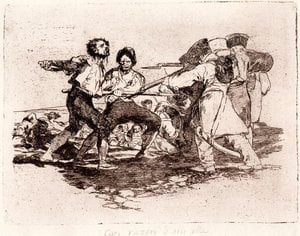
Adriaen Brouwer's "Brawling Peasants" isn’t merely a depiction of a brawl; it’s a visceral snapshot of 17th-century life, a raw and unflinching portrayal of the everyday struggles and simmering tensions that underpinned rural existence. Painted around 1630 – a period marked by social unrest and economic hardship in the Netherlands – this work transcends simple violence to offer a profound commentary on human nature itself. Brouwer, a master of genre painting, eschews idealized representations, instead presenting a scene of brutal honesty, capturing the messy reality of peasant life with remarkable immediacy. The composition is deliberately crowded, almost claustrophobic, drawing the viewer into the heart of the conflict and forcing them to confront the physicality of the struggle.
The scene unfolds within what appears to be a dimly lit workshop or storage area – a space that immediately suggests confinement and perhaps even a degree of desperation. A single man lies prone on the floor, subjected to a vicious beating with a club; his face contorted in agony, his body a testament to the violence inflicted upon him. Around him, other men engage in a chaotic dance of aggression, their movements frenzied and uncontrolled. The figures are rendered with a remarkable lack of sentimentality – no heroic gestures, no noble motivations, simply the brutal act of physical confrontation. Brouwer’s skill lies not in glorifying conflict but in exposing its ugly core.
A Masterclass in Technique: Impasto and Gesture
Brouwer's technique is a crucial element in conveying the painting’s emotional intensity. He employs a thick, impastoed application of oil paint, building up layers of color to create a remarkably tactile surface. This heavy use of paint isn’t merely decorative; it adds weight and physicality to the scene, mirroring the violence depicted within. The brushstrokes are loose and gestural, capturing the energy and movement of the figures with remarkable dynamism. Lines are rough and expressive, conveying a sense of urgency and unrestrained emotion – a deliberate departure from the smoother, more polished styles prevalent at the time.
Notice particularly the rendering of skin and clothing. The impasto technique creates a shimmering effect, highlighting the textures of fabric and flesh with remarkable realism. Shadows are deep and dramatic, contributing to the painting’s overall sense of darkness and foreboding. The uneven lighting further emphasizes the chaos of the scene, drawing attention to key moments of action while obscuring details and creating an atmosphere of suspense.
Historical Context: Peasant Life and Social Unrest
To fully appreciate “Brawling Peasants,” it’s essential to understand the historical context in which it was created. The 17th century was a period of significant social upheaval in the Netherlands, marked by economic hardship, religious tensions, and widespread poverty among the peasantry. Brouwer's paintings often depicted scenes from this marginalized segment of society – their drinking habits, their disputes, their struggles for survival. The painting reflects a broader trend within Dutch art to move away from idealized depictions of aristocratic life and towards a more realistic portrayal of everyday people.
Brouwer’s work aligns with the burgeoning genre of “tronies” – small, intimate portraits that focused on capturing fleeting expressions of emotion. “Brawling Peasants,” however, transcends the conventions of the tronie by presenting a full-scale drama, exploring themes of violence, power, and social inequality. The painting serves as a powerful reminder of the precariousness of life for those living on the margins of society.
Symbolism and Emotional Resonance
Beyond its immediate depiction of violence, “Brawling Peasants” is rich in symbolic meaning. The prone figure represents vulnerability and helplessness, while the aggressors embody the forces of power and control. The chaotic scene can be interpreted as a metaphor for the broader social unrest that plagued the Netherlands during Brouwer’s time – a reflection of simmering tensions beneath the surface of everyday life. The painting's raw emotional intensity continues to resonate with viewers today, prompting questions about human nature, social justice, and the enduring cycle of violence.
Reproductions of this powerful work offer an opportunity to experience Brouwer’s masterful technique and insightful commentary on the human condition. Its dramatic composition and visceral depiction of conflict make it a compelling addition to any collection, while its historical context provides valuable insight into the social and economic realities of 17th-century Europe.
أعمال فنية ذات صلة




السيرة الذاتية للفنان
حياة قُطعت قبل أوانها: عالم أدريان بروور المضطرب
يظل اسم أدريان بروور، الذي يتردد صداه بالطاقة النابضة للرسم الفلمنكي والهولندي في القرن السابع عشر، شخصية غامضة على الرغم من تأثيره العميق على فن الحياة اليومية. وُلد بروور في أوديناردي، بلجيكا، حوالي عام 1605 أو 1606 – ولا يزال العام الدقيق محل نقاش – وكانت حياة بروور مأساوية القِصَر، حيث انتهت قبل أن يبلغ الأربعين من العمر في يناير عام 1638. عمل والده، الذي يحمل نفس اسم أدريان، كمصمم للمنسوجات، مما عرّض الفنان الشاب للتكوين البصري والتصميم منذ سن مبكرة. ومع ذلك، ضربت المصاعب عندما كان بروور يبلغ الخامسة عشرة؛ فقد أجبره وفاة والده على مغادرة المنزل، ليبدأ مساراً يتسم بكل من التألق الفني والاضطراب الشخصي. إن هذا الاستقلال المبكر شكّل بلا شك روحه المتمردة وأشعل ملاحظته الثاقبة للتيارات الخفية للحياة، وهي مواضيع أصبحت محورية في أعماله الفنية.ريادة فن الحياة اليومية: التقاط جوهر الوجود العادي
سرعان ما رسّخ بروور مكانته كمبتكر رئيسي في رسم الحياة اليومية – وهو تيار فني مخصص لتصوير مشاهد من الحياة العادية. لم يقم بتجميل المشاهد أو ترويضها بالرومانسية؛ بل قدم ومضات خام، غير مصقولة لعالم الفلاحين والجنود وعامة الناس. أصبحت الحانات مسرحه المفضل، تعج بالشخصيات المنخرطة في الشرب، التدخين، لعب الورق، المشاجرات، والمجردة من مجرد الوجود ضمن حدود روتينها اليومي. إن أعمالاً مثل الفقراء يشربون في حانة، وصغار المزارعين يلعبون الورق، والمشاجرة ليست مجرد تصوير للنشاط؛ بل هي دراسات نفسية، تكشف عن الشخصية من خلال الإيماءة والتعبير والتفاعل الخفي بين الضوء والظل. لقد امتلك قدرة استثنائية على التقاط اللحظات العابرة للتفاعل البشري، مغموراً مشاهدَه بإحساس بالفورية والأصالة تردد صداه بعمق لدى الجماهير المعاصرة. ويُعتقد أن لوحة المدخنون تتضمن صورة ذاتية ضمن المجموعة الحيوية، مما يعرض مشاركة بروور نفسه في الحياة الاجتماعية الصاخبة التي كان يصورها كثيراً. لم تكن لوحاته تدور ببساطة حول *ما* يفعله الناس، بل حول *كيف* يشعرون أثناء قيامهم بذلك.التأثيرات والأسلوب الفني: مزيج من التقاليد والابتكار
تشكّل التطور الفني لبروور بفعل تلاقٍ رائع للتأثيرات. لقد أعجب بعمق بالواقعية الدقيقة للفن البدائي الفلمنكي – فنانون مثل يان فان إيك وروبرت كامبين – وهو ما يتجلى في اهتمامه بالتفاصيل والتصوير الدقيق للأنسجة. ومع ذلك، لم يكتفِ بالمحاكاة البسيطة. لقد احتضن بروور الإضاءة الدرامية والشدة العاطفية المميزة للفن الباروكي، ضخ طاقة ديناميكية في تكويناته. يتميز أسلوبه بمزيج بارع من الواقعية والفكاهة، مقترناً بملاحظة حيوية ومذهلة للسلوك البشري. لم يتهرب من تصوير الجوانب الأقل جمالاً للحياة، ولكنه فعل ذلك بتعاطف وتفهم، متجنباً الحكم الأخلاقي. هذا النهج الفريد ميزه عن العديد من معاصريه ومهد الطريق لأجيال مستقبلية من رسامي الحياة اليومية.الإرث والأهمية التاريخية: تأثير دائم
على الرغم من مسيرته المهنية القصيرة، كان تأثير أدريان بروور على الفنانين اللاحقين كبيراً. لقد ساعد في رفع مكانة رسم الحياة اليومية إلى موقع بارز داخل عالم الفن، مُظهراً إمكاناته للتعبير الفني والتعليق الاجتماعي معاً. استلهم ديفيد تينيير الأصغر، جنباً إلى جنب مع رسامي فلاندرز وهولندا الآخرين، إلهاماً كبيراً من نهج بروور المبتكر لتصوير الحياة اليومية. وقد قدم تركيزه على الناس العاديين رؤى قيمة حول الأعراف الاجتماعية والروتين اليومي في فلاندرز والهند الهولندية في القرن السابع عشر، مقدماً نافذة على عالم غالباً ما تتجاهله الأشكال الفنية الأكثر تقليدية. اليوم، تُحفظ أعماله في متاحف مرموقة مثل المتحف الملكي للفنون الجميلة في أنتويرب، بلجيكا، مما يضمن استمرار إلهام إرثه وجذب الجماهير لأجيال قادمة. ويظل دليلاً على قوة الملاحظة، وجمال النقص، والجاذبية الدائمة لالتقاط اللحظات الخام وغير المصفاة من الحياة على القماش.
أدريان بروور
1635 - 1638 , بلجيكا
حقائق سريعة
- Artistic Movement Or Style: الباروك، الرسم النوعي
- Artists Or Movements Influenced By This Artist: ['ديفيد تينيير الأصغر']
- Artists Who Influenced This Artist: ['الفن البدائي الفلمنكي']
- Date Of Birth: 1605/1606
- Date Of Death: 1638
- Full Name: أدريان بروور
- Nationality: فلمنكي
- Notable Artworks:
- فقراء يشربون في حانة
- صغار المزارعين يلعبون الورق
- المدخن
- المشاجرة
- منظر طبيعي مضاء بضوء القمر
- Place Of Birth: أودينارد، بلجيكا
مقالات ذات صلة

أروع 25 تحفة فنية في متحف المتروبوليتان: رحلة عبر العصور والجمال الخالد
اكتشف أروع 25 تحفة فنية في متحف المتروبوليتان، نيويورك! قصص ليوناردو دا فينشي وفان جوخ وبيكاسو وأكثر. لوحات كلاسيكية ومعاصرة لإلهام ديكور منزلك. تسوق إعادة إنتاج اللوحات عالية الجودة على ArtsDot.com.

Adriaen Brouwer: Capturing Dutch Life & Social Commentary Through Genre Painting
Explore the captivating world of Adriaen Brouwer, a master of Dutch Golden Age genre painting. Discover his vivid depictions of peasant life, social commentary, and lasting influence on art history. Learn more at ArtsDot.

أعمال جيمس أبتون ماكنيل ويستلر الـ 25 الأكثر شهرة: تحف فنية لتزيين منزلك
اكتشف 25 تحفة فنية لجيمس أبتون ماكنيل ويستلر، رائد حركة التجميل. نوكتورن، بورتريهات أيقونية وأكثر! قصص ملهمة وتقنيات فنية رائعة لتزيين منزلك بأناقة. استكشف المجموعة الكاملة على ArtsDot.com

أعمال هنري ماتيس الرائعة: 25 تحفة فنية تزين منزلك بجمال الألوان والابتكار
اكتشف 25 تحفة فنية لهنري ماتيس، رائد التعبيرية وFauvism. استكشف قصص لوحاته المذهلة وألوانه الجريئة. احصل على مطبوعات عالية الجودة لديكور منزلي فاخر. اكتشف جميع الروائع على ArtsDot.com
أروع 25 تحفة فنية في معرض ناسيونال غاليري بواشنطن | لوحات شهيرة وديكور فاخر
اكتشف أروع 25 لوحة فنية في معرض ناسيونال غاليري بواشنطن! رحلة عبر روائع سيزان، ماتيس، وبيكاسو. قصص ملهمة وتقنيات فنية فريدة. احصل على نسخ عالية الجودة لديكور منزلك الفاخر على ArtsDot.com

