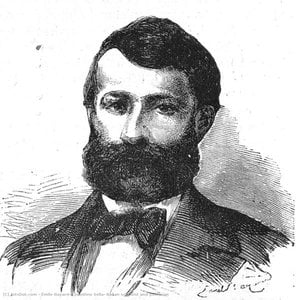

بورتريه لـ Émile Bayard

دليلك لأشهر 21 لوحات لـ Émile Bayard

تحديث أكتوبر 2026 · مُرتبة حسب مؤشر شعبيتنا (عمليات البحث، والزيارات، والطلبات لكل عمل فني) · 21 أعمال لـ Émile Bayard في كتالوجنا

باختصار

أشهر أعمال Émile Bayard هي Quentino Sella, Italian scientist and politician (1862). التالي في القائمة هما Raffaele Conforti, Italian politician (1862) وMohamed Saïd Pasha, Viceroy of Egypt and Ethiopia (1862). لدينا 21 من أعمال Émile Bayard في كتالوجنا؛ يختار هذا الدليل 21 من أشهر هذه الأعمال، مع ذكر سنة الإنتاج، والمتحف، والقصة وراء كل قطعة.

1837 – 1891, La Ferté-sous-Jouarre Academicism أكبر مجموعة أعمال: Musée Victor Hugo

أهم 10 لوحات لـ Émile Bayard يجب معرفتها أولاً

من 11 إلى 21: المزيد من لوحات Émile Bayard

حيث يمكنك مشاهدة لوحات Émile Bayard

المتاحف الـ 3 التي تضم أكبر عدد من اللوحات الموجودة في هذه الصفحة.

المتحف المدينة أعمال Émile Bayard لوحات من هذه القائمة
Musée Victor Hugo, ParisMusée Victor Hugo Paris 1 Cambronne
Russell-Cotes Art Gallery - Museum, BournemouthRussell-Cotes Art Gallery - Museum Bournemouth 1 A Peasant Girl, Brittany, France
متحف المتروبوليتان للفنون, نيويوركمتحف المتروبوليتان للفنون نيويورك 1 A soldier was signaling to them to stay away

عقداً بعد عقد: أشهر أعمال Émile Bayard في كل عقد

الأعمال حسب العقد

اختر عقداً لتشاهد أبرز أعماله.

Émile Bayard: إجابات سريعة حول اللوحات

ما هي أشهر لوحة لـ Émile Bayard؟شاهد الإجابة

تتصدر القائمة Quentino Sella, Italian scientist and politician (1862)، ويليها مباشرة Raffaele Conforti, Italian politician (1862) وMohamed Saïd Pasha, Viceroy of Egypt and Ethiopia (1862).

كم كان عمر Émile Bayard عند إبداع Quentino Sella, Italian scientist and politician؟شاهد الإجابة

عمره 25 عاماً. وُلد Émile Bayard في 1837، ويعود تاريخ Quentino Sella, Italian scientist and politician إلى 1862.

ما هي أفضل 10 لوحات لـ Émile Bayard؟شاهد الإجابة

Quentino Sella, Italian scientist and politician, Raffaele Conforti, Italian politician, Mohamed Saïd Pasha, Viceroy of Egypt and Ethiopia, Untitled (AQRFFZ), Untitled (AQRFFT), Untitled (AQRFFX), Untitled (AQRFFV), Untitled (AQRFG3), Lantenac و The hero Yashitzone. ستجد سنة الإنتاج والمتحف الخاص بكل منها في القائمة أعلاه.

كم عدد الأعمال الفنية لـ Émile Bayard في كتالوجكم؟شاهد الإجابة

لدينا 21 من أعمال Émile Bayard في كتالوجنا، وتتراوح تواريخها من 1862 إلى 1887.

في أي متاحف يمكنك مشاهدة أعمال Émile Bayard الشهيرة؟شاهد الإجابة

ستجد معظمها في Musée Victor Hugo (Paris), Russell-Cotes Art Gallery - Museum (Bournemouth) و متحف المتروبوليتان للفنون (نيويورك). وتوفر قائمة المتاحف أعلاه تفصيلاً كاملاً.

متى أبدع Émile Bayard أشهر أعماله؟شاهد الإجابة

في 1870s، أكثر من أي وقت مضى: 11 من أصل 21 قطعة في هذه الصفحة تعود إلى تلك الفترة، من بينها Untitled (AQRFFZ).

ما هي أولى وآخر الأعمال الشهيرة لـ Émile Bayard؟شاهد الإجابة

أقدم قطعة هنا هي Quentino Sella, Italian scientist and politician (1862)؛ وأحدثها هي A Peasant Girl, Brittany, France (1887).

بأي أسلوب أو حركة فنية يشتهر Émile Bayard؟شاهد الإجابة

Academicism، كما يمكنك أن ترى في الأعمال الفنية في هذه الصفحة.

أين يمكنني طلب نسخة من أعمال Émile Bayard؟شاهد الإجابة

نعم. كل لوحة في هذه الصفحة متاحة كنسخة زيتية مرسومة يدوياً أو كمطبوعة، بالمقاس الذي يناسبك. ما عليك سوى فتح صفحة اللوحة للطلب.

قصة Émile Bayard

A Bridge Between Worlds: The Life and Art of Émile Bayard

Émile-Antoine Bayard, born in the tranquil French town of La Ferté-sous-Jouarre in 1837, emerged as a pivotal figure in 19th-century illustration. He wasn’t merely a recorder of his time but an active participant in shaping how stories were told and visualized—a bridge between the established traditions of academic art and the burgeoning world of modern visual storytelling. Bayard's journey began with formal training under Léon Cogniet, beginning in 1853, where he spent five years honing his skills. Even as a young student, a creative spark ignited within him; at just fifteen years old, he began publishing cartoons under the intriguing pseudonym *Abel de Miray*, hinting at the artistic ambition that would define his life. This early foray into publication wasn’t simply youthful experimentation but a declaration of intent—a desire to communicate and connect with an audience through imagery.

From Diverse Techniques to Literary Visions

The years between 1857 and 1864 were formative for Bayard, a period dedicated to exhaustive exploration across various artistic mediums. He immersed himself in charcoal drawings, paintings, watercolors, woodcuts, engravings, and lithographs—a deliberate attempt to master the diverse tools available to a visual artist. This foundational period wasn’t about finding one definitive style but rather building a versatile skillset that would later become his hallmark. It allowed him to approach each project with a nuanced understanding of how different techniques could best serve the narrative at hand. As photography began its ascent, challenging the role of documentary illustration, Bayard astutely recognized the shifting landscape and skillfully pivoted towards illustrating novels—a realm where artistic interpretation and imagination held immense power. He quickly became sought after for his ability to breathe life into literary worlds.

Illustrating a Nation’s Imagination

From 1864 onward, Bayard's career blossomed as an illustrator, initially documenting current events for magazines—including the tumultuous period of the Franco-Prussian War (1870–71). However, it was his work with literary classics that cemented his legacy. He lent his talents to iconic works such as Victor Hugo’s *Les Misérables*, Harriet Beecher Stowe’s *Uncle Tom's Cabin*, Alphonse Daudet’s *L’Immortel*, Daniel Defoe’s *Robinson Crusoe*, and, perhaps most notably, Jules Verne’s *From the Earth to the Moon*. His illustration of Cosette from *Les Misérables* is arguably his most recognizable achievement—an image so powerful that it was later adapted for the logo of the renowned Cameron Mackintosh musical adaptation. But beyond mere representation, Bayard's illustrations possessed a unique ability to capture the emotional core of these stories, resonating deeply with readers and shaping their perceptions of beloved characters and narratives.

Pioneering Visions and Lasting Influence

Bayard’s contribution extends far beyond simply illustrating popular novels; he was a true visionary who helped define new artistic frontiers. His artwork accompanying Jules Verne's *From the Earth to the Moon* is considered among the first examples of scientific space art, marking a departure from purely mystical depictions of spaceflight and embracing a more grounded, scientifically informed aesthetic. This pioneering approach laid the groundwork for future generations of science fiction artists, solidifying his place as a significant figure in both illustration history and the early development of science art. His influences were rooted in the academic style imparted by Léon Cogniet, but Bayard’s work also reflected the changing cultural landscape of 19th-century France—embracing new technologies like lithography and responding to the growing popularity of serialized novels. He understood that illustration wasn't merely about replicating reality; it was about enhancing it, interpreting it, and making it accessible to a wider audience. Émile Bayard passed away in Cairo in 1891, leaving behind a rich legacy of illustrations that continue to captivate audiences today—a testament to his skill, versatility, and enduring ability to bring literary worlds vividly to life through the power of visual storytelling.